 Kelpie
12 Kelpie training topics
Every common Kelpie challenge, with first steps and guides to read.
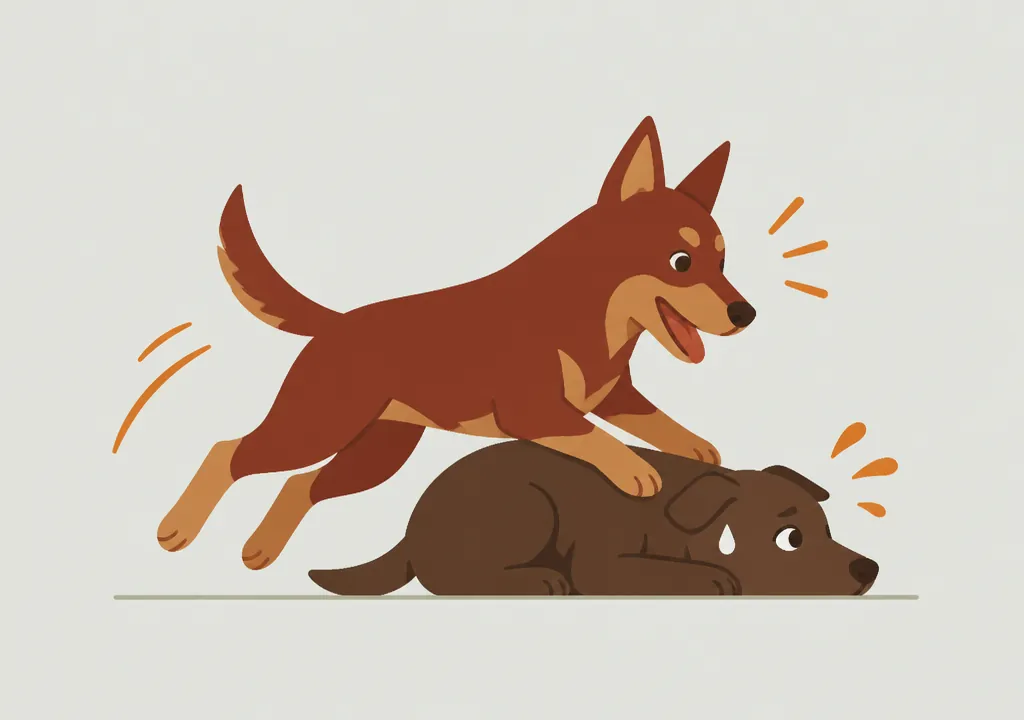
Rounding up other dogs
Fair play at the park for a born muster dog.
Chasing and nipping at other dogs feels like work to a Kelpie and looks rude to everyone else. Tiring them out first falls short, because a muster dog sprints hard and still locks onto the next dog.
The full guide sets out fair play rules and the cue that switches drive off.
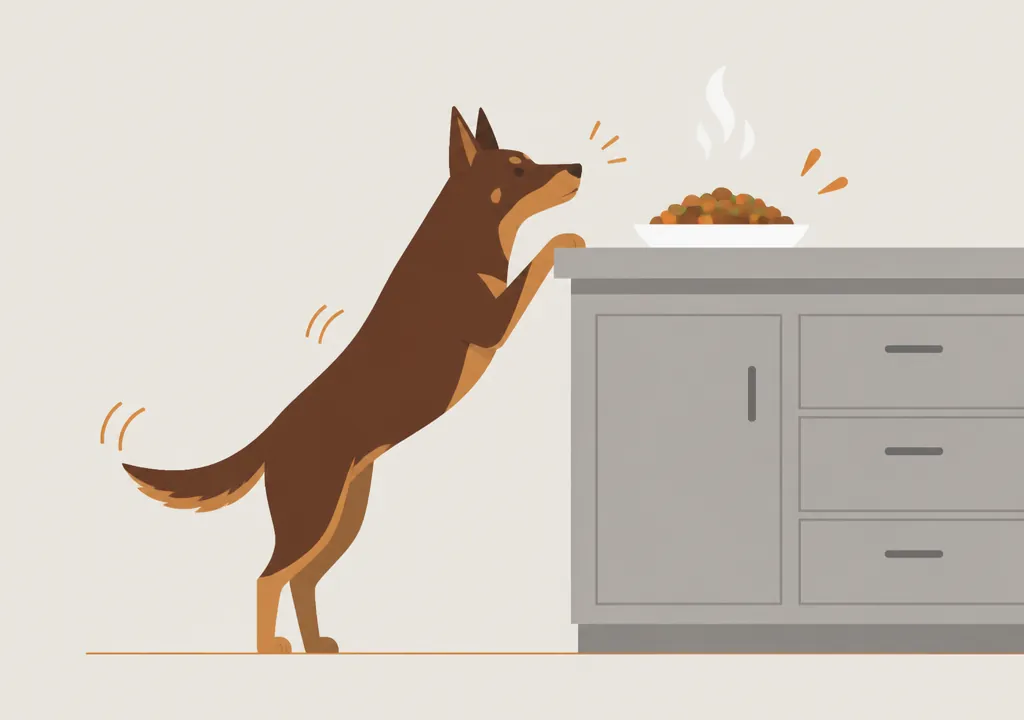
Climbing onto everything
Tables, counters and car roofs. Teach four paws down.
Saying off when a Kelpie surfs the counter fails, because they treat height as a puzzle and the counter pays with snacks. Until surfaces stop paying, off loses to a loaf of bread.
The full guide pairs the cue with a floor that pays and a lookout off the counter.
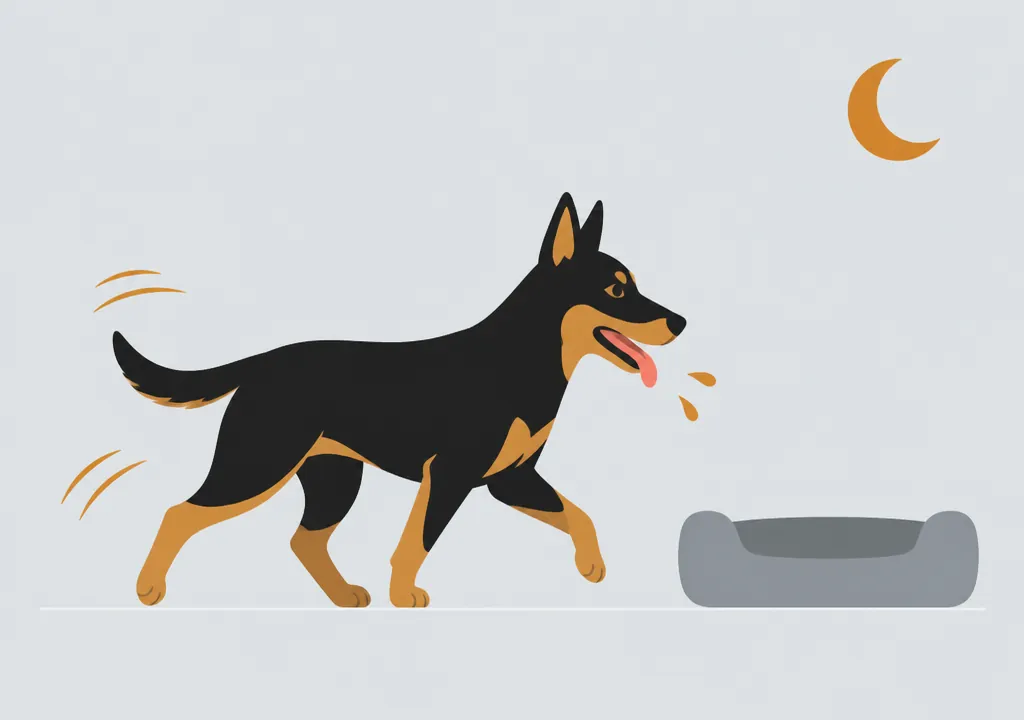
Restless in the evening
Resting is part of the job.
Settling can start the week your Kelpie puppy comes home, and calm shows up sooner than you fear. Rest builds through short daily practice, if you teach it instead of waiting for it.
The full guide covers the mat, the room, rewarding calm in stages, and puppies who wind back up.
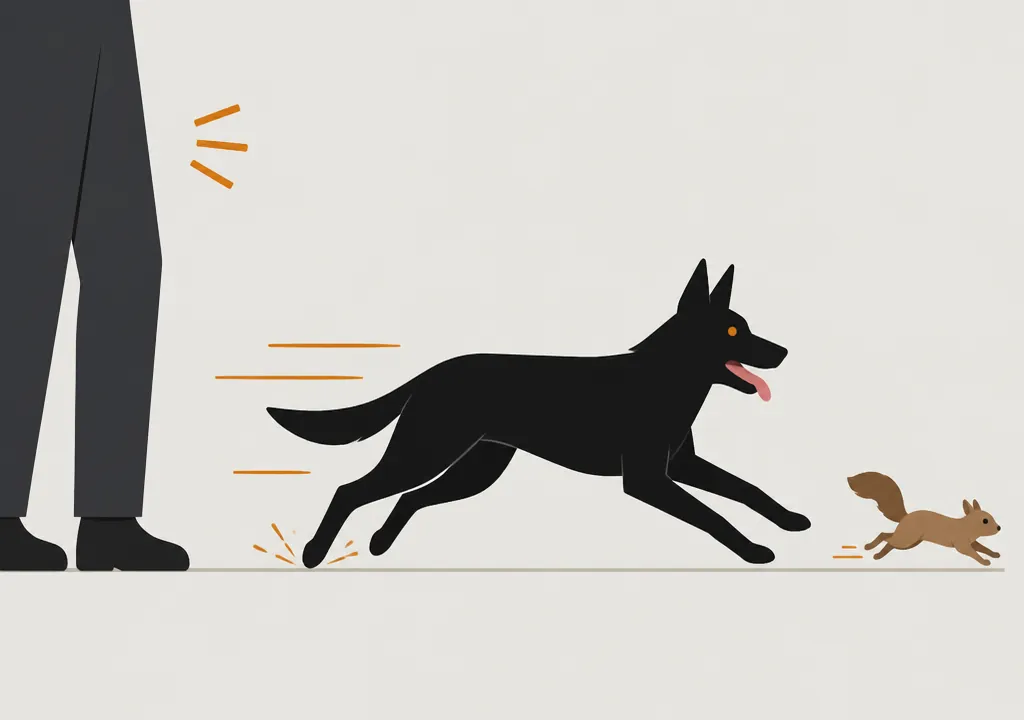
Bolting after wildlife
Come back when a rabbit breaks cover.
Ordinary recall advice assumes a dog who wants to be near you. Kelpies often worked unsupervised in the Australian bush, so returning has to be the best offer around and risky moments need managing.
The full guide builds that recall step by step and shows how it earns real freedom.
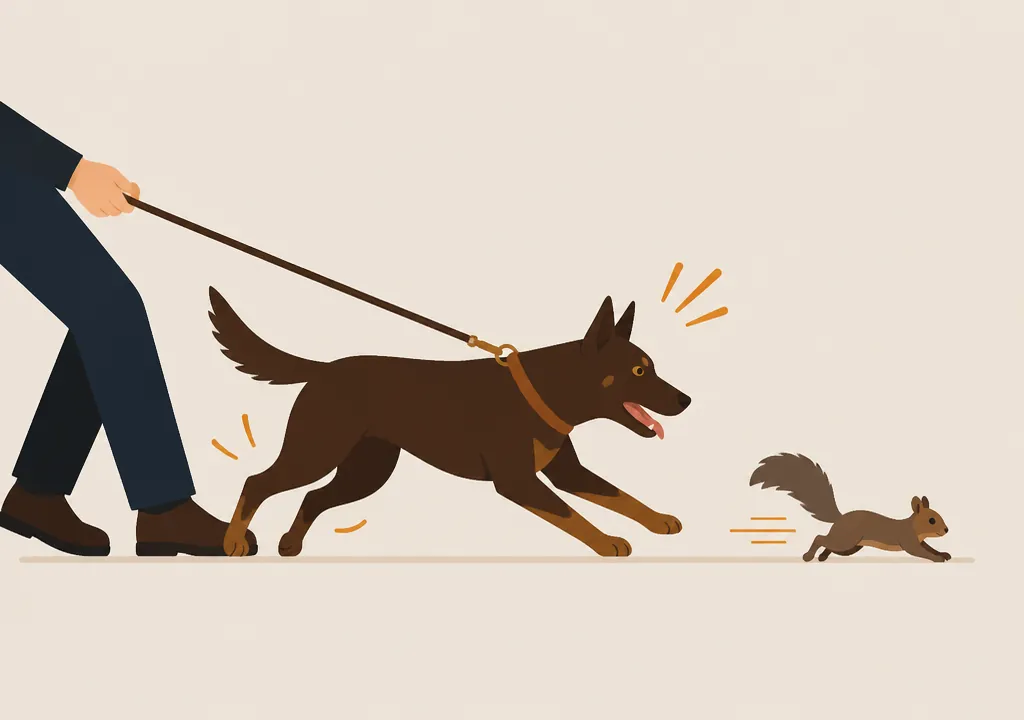
Leash pulling
Slow a fast dog to your pace.
Pulling, fixation and lunging at a passing runner feel like one explosive problem with an Australian Kelpie. They are separate moments, trained separately, and the breed's strong response to motion sits under all three.
The full guide takes each moment in turn, from rewarding slack to handling the sudden surge.
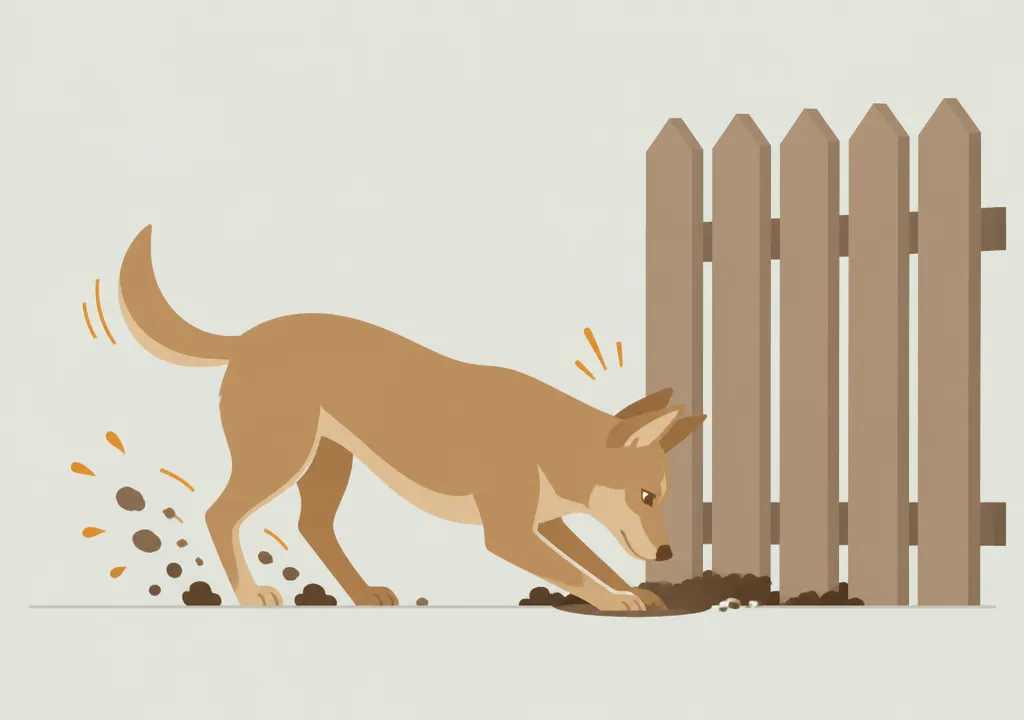
Fence jumping and digging
Keep an escape artist happy in the yard.
A taller fence and a sturdier latch do nothing about why a Kelpie leaves, and every trip out makes the next likelier. A dog who has learned that home pays best stays by choice.
The full guide combines management with rewards, since neither works alone with a roaming Kelpie.
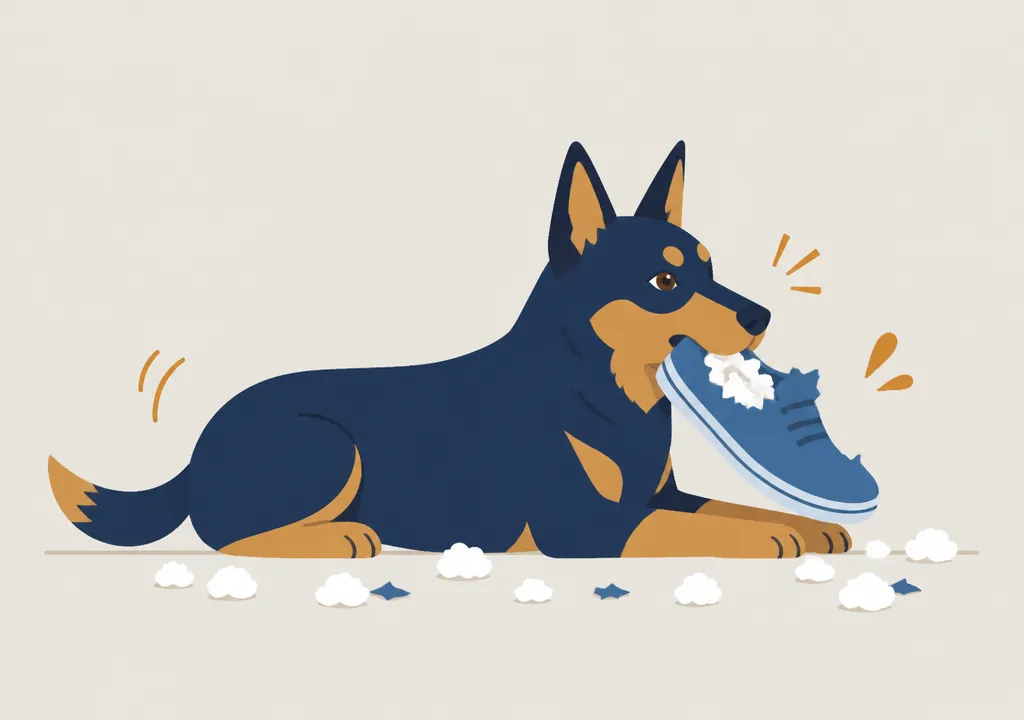
Boredom chewing
Give busy jaws a real job.
Boredom chewing in an Australian Kelpie stops when their jaws and mind get real daily work, not just more exercise. A working-bred dog left without tasks will make a job out of your shoes and furniture.
The full guide shows how to supply better work and pay the dog for choosing it.
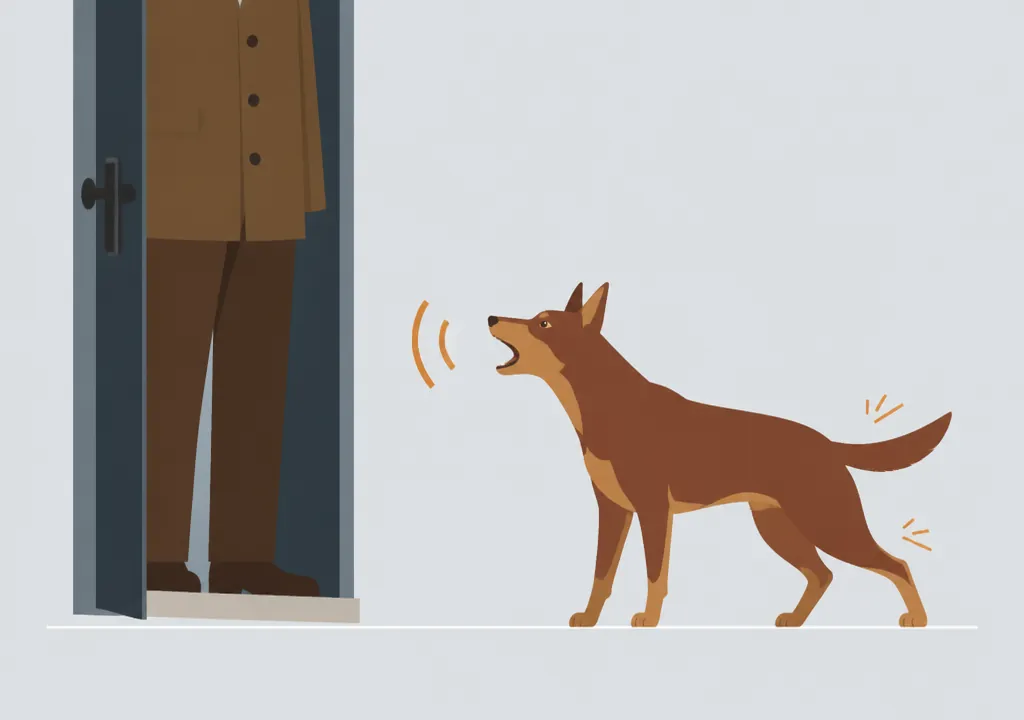
Wary of strangers
Meet new people at its own pace.
Most Kelpies stay reserved with strangers well past puppyhood, measured in weeks and months, not days. One working source calls the breed a one-man dog, while the standard asks for an open, friendly, alert but placid disposition.
The full guide lets a slow-to-warm Kelpie meet kids, dogs and strangers at their pace.
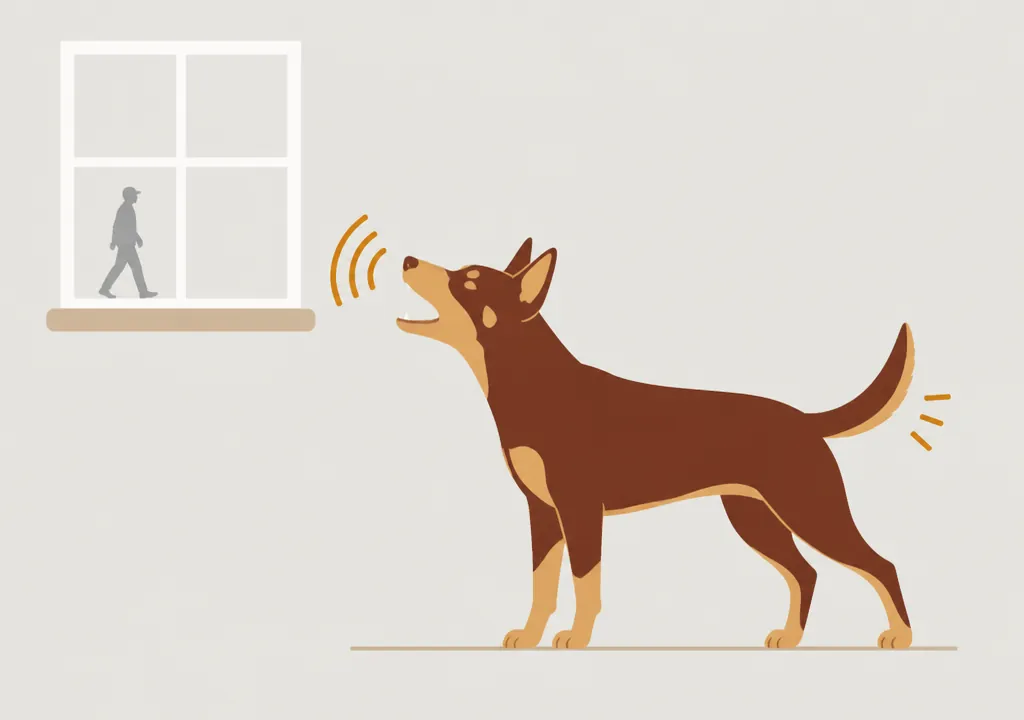
Barking at movement
One check, then quiet.
Some Australian Kelpies bark hard at the window after a long run, and others stay silent. Exercise is rarely the difference. What matters is whether their working instincts get rewarded, directed or left with nowhere to go.
The full guide covers nipping, stalking and barking together, with the misreadings we see most.
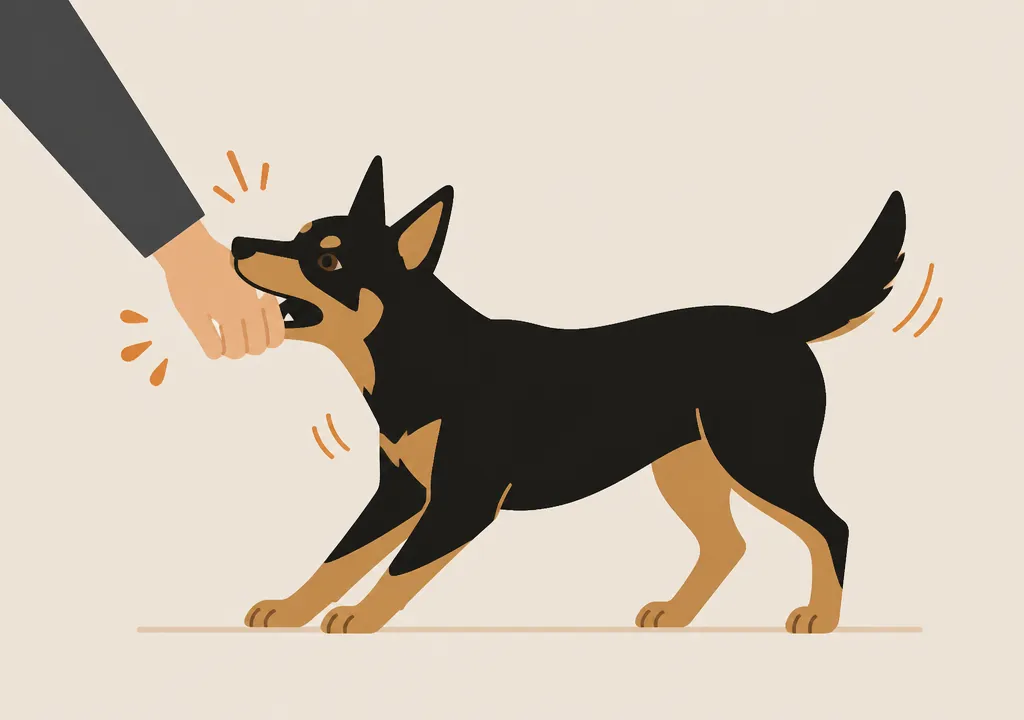
Puppy mouthing
Needle teeth onto tug toys.
Needle teeth and shredded cushions share a cause. Some Kelpie puppies settle with a chew and a task, others take a cushion apart before breakfast. The difference is the legal job each has been given.
The full guide is a puppy-chewing toolkit with a chew station, a workday plan and rewarded jobs.
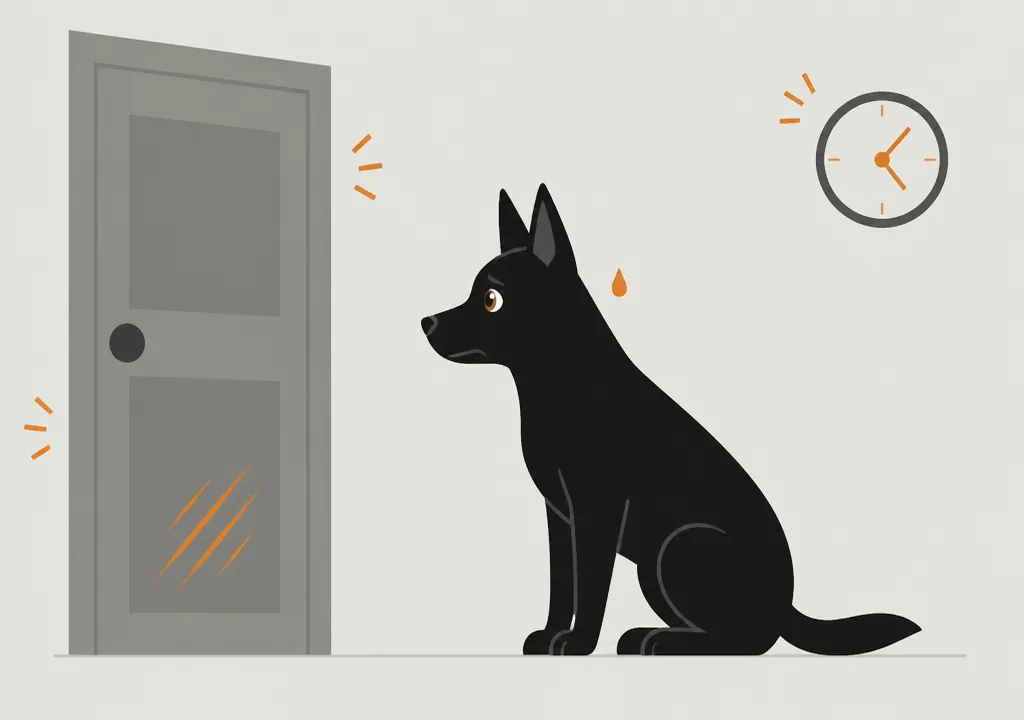
Clinging to one person
Kelpies bond hard. Teach calm time apart.
Your Australian Kelpie can walk into a crate for food and still panic when the door closes. Entry is a physical behavior, comfort alone is an emotional skill, and ordinary crate advice fails this breed.
The full guide runs the two tracks separately, resting crate first, then absence in steps.
The teenage months
Hold on to skills while drive grows.
At dusk your Kelpie puppy rockets through the house and stays wired long after they are worn out. The standard credits the breed with almost inexhaustible energy, so the off switch has to be taught.
The full guide follows the puppy week by week to age two, keeping skills while drive grows.