 Kelpie
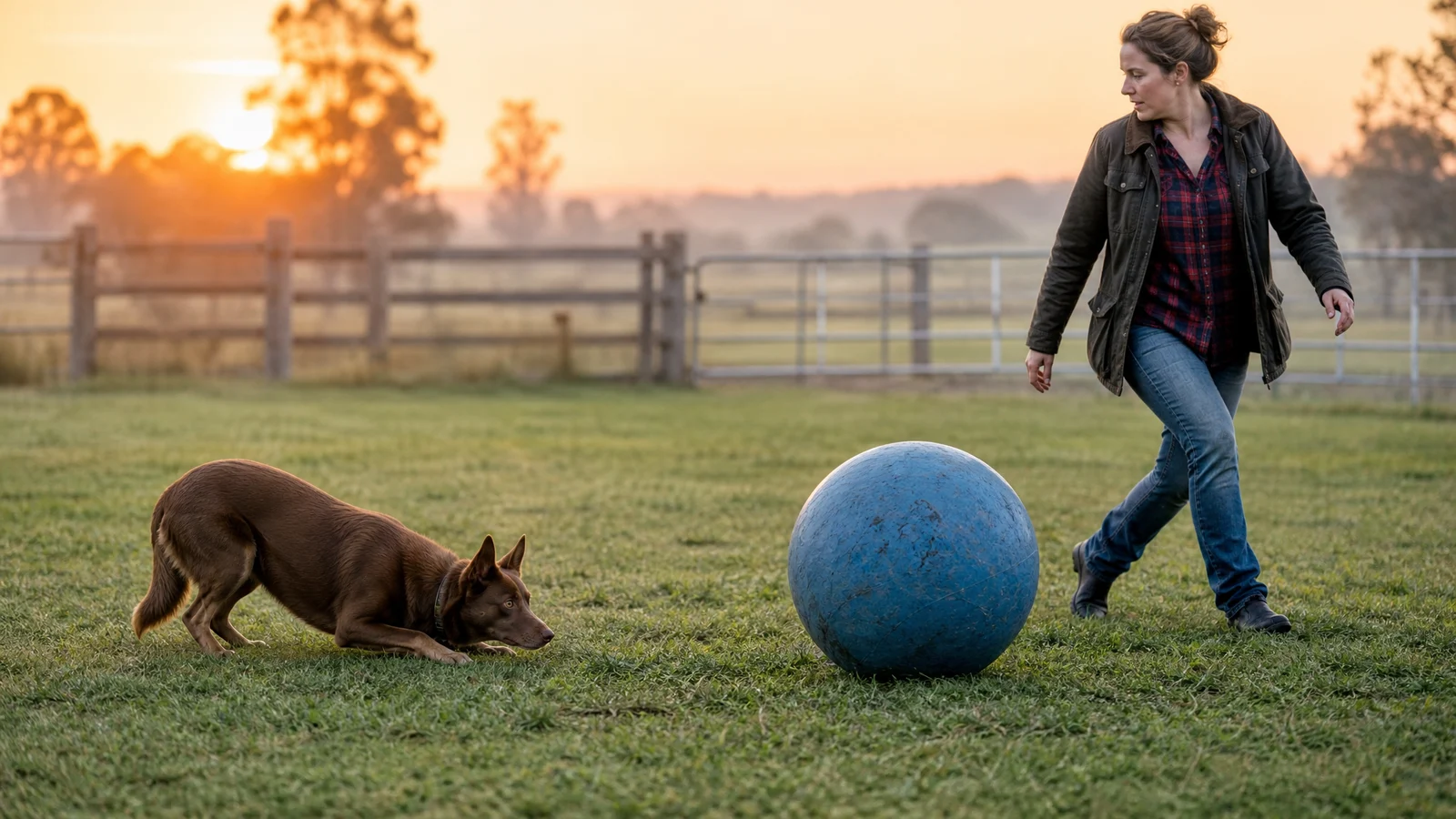
What is a Kelpie, really? The usual answer is an energetic sheepdog from Australia, and that is accurate as far as it goes. But energetic describes a puppy bouncing around a living room. It does not explain why an adult Kelpie keeps going long after you have run out of steam, can make independent decisions mid-task and may find their own jobs without direction.
That gap matters because working drive is the whole breed. Without direction, that drive can turn into restless, self-made jobs around the home. Handled well, it gives you a focused, devoted partner who loves to learn. The difference often comes down to whether the dog has a suitable job.
We'll walk you through how a Kelpie differs from a Border Collie, why standard walk-them-daily advice falls short, how drive changes from puppy to adult, where the breed's stamina came from, and which outlets suit a pet home, then answer a few practical questions.
Australian Kelpie Against Border Collie
Give the same instruction to a Border Collie and an Australian Kelpie and you will often get two different attitudes. Both are herding dogs, both are fast and clever, and both can look similar from across a paddock. The difference lies in how they approach the work and how much say they expect to have in it. Understanding that difference changes how you train.
Work Style
The breed standard credits the Kelpie with a natural instinct and aptitude for working sheep, both in open country and in the yard. Movement is built for sudden turns at speed, and the standard describes a crouching, stealthy way of moving as the work demands. That wording describes stock work requiring close attention. The breed's independent decision-making is supported separately by the Working Kelpie Council account.
Mike Donelan, quoted by the Working Kelpie Council, says the Kelpie is more of an individual who likes to "do his own thing" than the Border Collie, which he says can be made a "push button dog." He adds that owners who do not accept this have chosen the wrong breed.
Here is one analogy that helps. A push-button dog works like a remote control, and a Kelpie works like a colleague. A colleague cooperates beautifully when the arrangement makes sense to them, and finds their own way when it does not. Your job is to make cooperation the most rewarding option on offer.
Working styles vary within the breed, too. The Working Kelpie Council author explains that a dog for yard work may need to bark, while a dog in large paddocks or low visibility should stay quiet so as not to spook the stock. Barking tendencies may reflect the kind of work a line was selected to perform.
Temperament
The standard describes a Kelpie as extremely alert, eager and highly intelligent, with a mild, tractable disposition and marked loyalty. It asks for an open, friendly, alert but placid dog. In daily life that loyalty tends to be narrow. The Working Kelpie Council's author calls the Kelpie basically a one-man dog who usually does not take to strangers for a long time, and says a pup who grows up with you is generally the better dog.
So expect a devoted, watchful dog who stays a little reserved with visitors and does not greet everyone like a long-lost friend. Reward calm, polite behavior around new people, and let guests wait until the dog chooses to approach.
The RSPCA recommends that every training plan be reward based. Offering food, a toy or praise that the dog truly loves right after a behavior makes that behavior likelier to return. That approach suits a thinking partner far better than pressure does.
Working Drive Versus Usual Advice
A Kelpie comes home from a leisurely walk around the block, drops the leash, and immediately starts circling the children or staring at the ceiling fan. The walk happened, but it never touched their drive. That is the problem with the advice most people hear first.
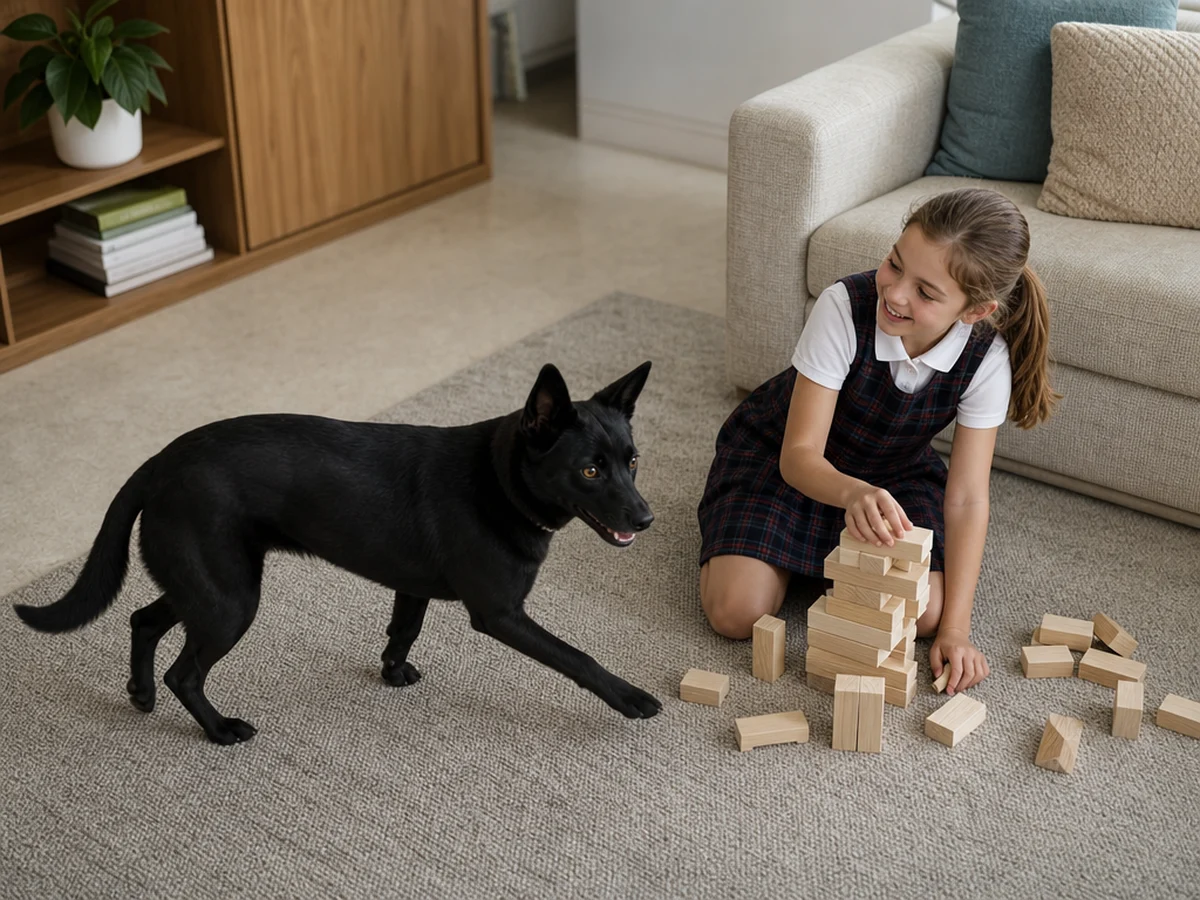
Let's define terms. Working drive is the urge to pursue a goal, combined with the habit of making decisions along the way. The breed standard describes almost inexhaustible energy and almost limitless stamina for work in wide open spaces. A walk at human pace asks little of the body and almost nothing of the brain. Treat the daily walk as a floor, not the plan, and add outlets that use both halves of the drive.
These options fit a dog bred for endurance and decision-making. They use both stamina and thought instead of adding movement for its own sake. Consider these options:
- Fast, free running in a securely fenced space, with changes of direction and pace rather than a steady trot beside you.
- Scent games and nose work, which almost any dog can do and which gives a busy mind something to concentrate on.
- Short training sessions that ask for problem-solving, such as shaping a new trick or chaining a few known cues into a sequence.
- Mat practice, where you reward settling generously so that rest becomes a skill the dog owns.
That last item is not an afterthought. The breed standard asks for a good balance between keenness to work and ability to rest, so teaching an off-switch is part of honoring the breed, not suppressing it. Reward the first moments of calm, then stretch them out a little at a time.
Puppy Versus Adult Australian Kelpie
Like puppies generally, a young Kelpie may alternate brief bursts of play with sleep, and the individual pattern matters more than a breed timetable. The standard's description of a keen, active dog with almost inexhaustible energy suggests that an adult may still be ready for substantial work. Keep changing the plan around the individual in front of you.
The roots explain why. Registries file the breed with the sheepdogs and in the herding group, and one standard even notes a working trial. The origin is disputed, but the breed came from Scottish dogs of Collie type, with the Rutherford, or North Country, strain of working collies named as the foundation. These are dogs selected for work, not for a pet's schedule.
The Puppy Years
With a puppy, the job is shaping habits. Keep sessions brief and reward calm moments as often as lively ones. Teach rest early so it never feels like a punishment. Kelpies are described as keen and active dogs, always ready to work, and that keenness is already there at the start.
Puppy energy comes in sprints, so offer sprints and naps in equal measure. A short game of chase-the-toy followed by a chew on a mat teaches the puppy that excitement has an end.
The Adult Dog
With an adult, the drive is sustained, so the answer is structure. Give them regular, rewarded jobs, and adjust the duration, difficulty and routine to the individual dog's responses rather than age alone.
Keep rewards rich and requests clear, since the breed likes to make their own decisions. A dog who is paid well for checking in with you will keep doing it.
Working Drive Built for Heat
On a hot afternoon, a suburban Kelpie may lie on cool tile looking relaxed, then launch after a ball with startling intensity. That mix makes sense once you know where the breed came from. Dogs were needed to handle sheep on vast Australian properties, so the breed was developed to work in heat, rough terrain, dust storms and vast distances. A neighborhood with a fence and a sofa offers none of that.
Stamina Over Distance
The breed standard calls for free, tireless movement and a lithe, active dog with hard muscular condition, conveying the capability of untiring work. Stamina, not top speed alone, is the point. The standard's description of almost limitless stamina is a reason not to judge the breed's working capacity from one short sprint.
Build fitness gradually and vary the pace. Being bred for heat does not make a dog immune to it, so schedule hard exercise for cooler parts of the day, offer shade and water, and call breaks before your dog asks for one. Drive can push a Kelpie past sensible limits.
Rough Ground and Sudden Turns
The standard wants a dog who can turn suddenly at speed, with body length from breastbone to buttocks greater than height at the withers, as 10 is to 9. That slightly long, supple build is made for uneven ground and quick direction changes.
Use that. Trails, gentle hills and varied surfaces give the body and the brain more to work out than a level sidewalk does. Choose fenced areas with safe footing for fast play, and keep up regular vet checkups so any soreness gets noticed early.
Working Drive in a Pet Home
In a pet home, working drive may show up as herding the family. The breed's supported instinct for working stock and its reputation for one-person loyalty are the useful clues here. If you see chasing or close following at home, treat the behavior in front of you as information and provide an appropriate rewarded task rather than assuming bad manners.
Why a Rewarded Job Works
When working drive lacks an outlet, a likely result is self-chosen activity around the home. A rewarded job gives that energy a clearer direction, while exercise alone may not teach the choice you want. Pair physical activity with a small thinking task and judge the result from the individual dog's behavior.
Because the breed tends to bond closely with one person, let that person run the first lessons, then bring in the rest of the household so the skills hold up when others ask.
Jobs That Match the Drive
Teach a find-it game with scent, a tidy-up routine where they carry toys to a basket, or a short sequence of tricks before dinner. Each gives the dog a goal, a decision to make and a reward at the end, which is exactly the shape of the original work.
Keep every method reward-based. AVSAB's position statement on training says current evidence supports reward methods alone for working with dogs. Because we specialize in this breed's behavior and training, we would add that a Kelpie who is paid well for good choices makes them again and again, and the choices get better with practice.
Next Questions About Working Drive
Once the idea of working drive clicks, a few practical questions tend to follow. Here are the common ones, each answered in a line and tied to the article that goes deeper.
- Can a Kelpie learn a reliable recall? Yes, but the breed's independent decision-making means the skill needs strong rewards, as covered in reliable recall for a Kelpie.
- What if your Kelpie pulls or lunges on walks? A dog bred for speed and stock work may find a slow walk hard, and Kelpie leash training for pulling and lunging shows how to turn that energy into calm walking.
- Are Kelpies easy to train? They learn fast but think for themselves, which our Kelpie trainability and temperament FAQ unpacks in detail.
One idea ties all of this together. An Australian Kelpie was built to work all day, in heat, over rough ground, and to decide for themselves how to get the job done.
Fighting that drive wears you both out, but meeting it with daily physical outlets, mental puzzles, rewarded jobs and a practiced off-switch gives you a dog who is calm because their needs are met. Give them work you both enjoy, and the energy that once made them hard to live with becomes the best thing about them.
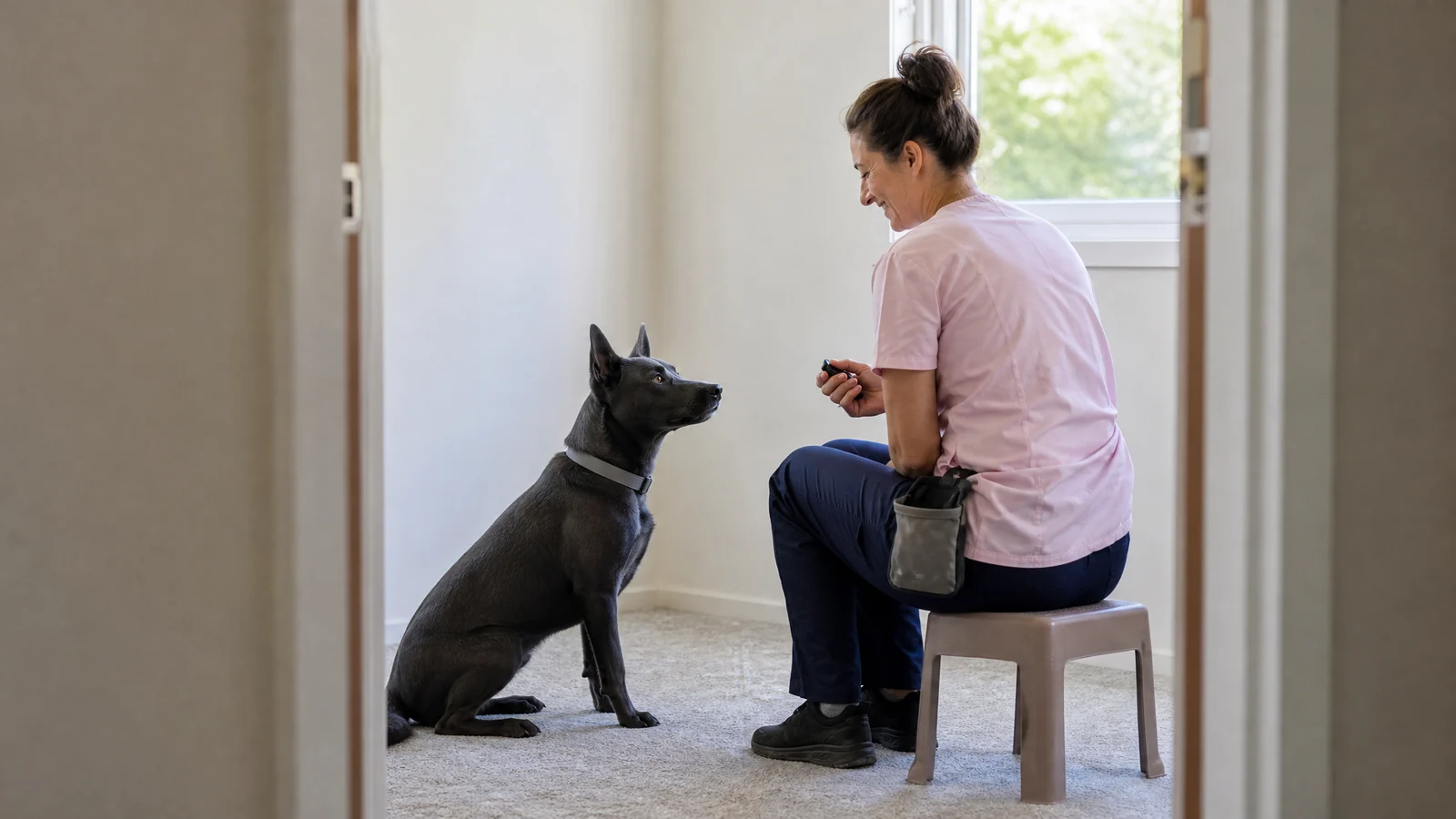 Training basicsMarker Training 101: Using a Clicker With a Quick Kelpie
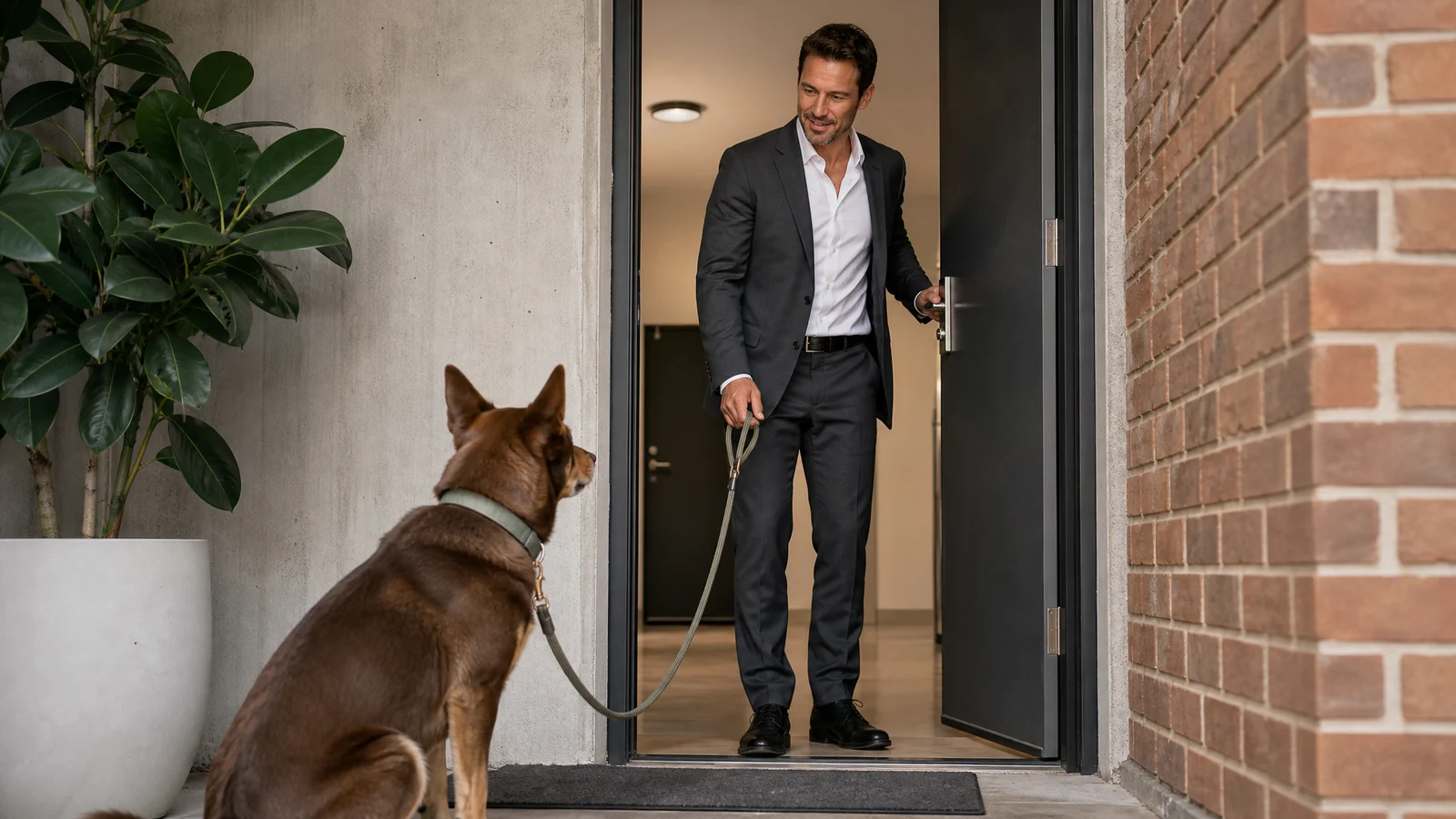 Training basicsImpulse Control Games: Teaching Your Kelpie to Wait Before It Works
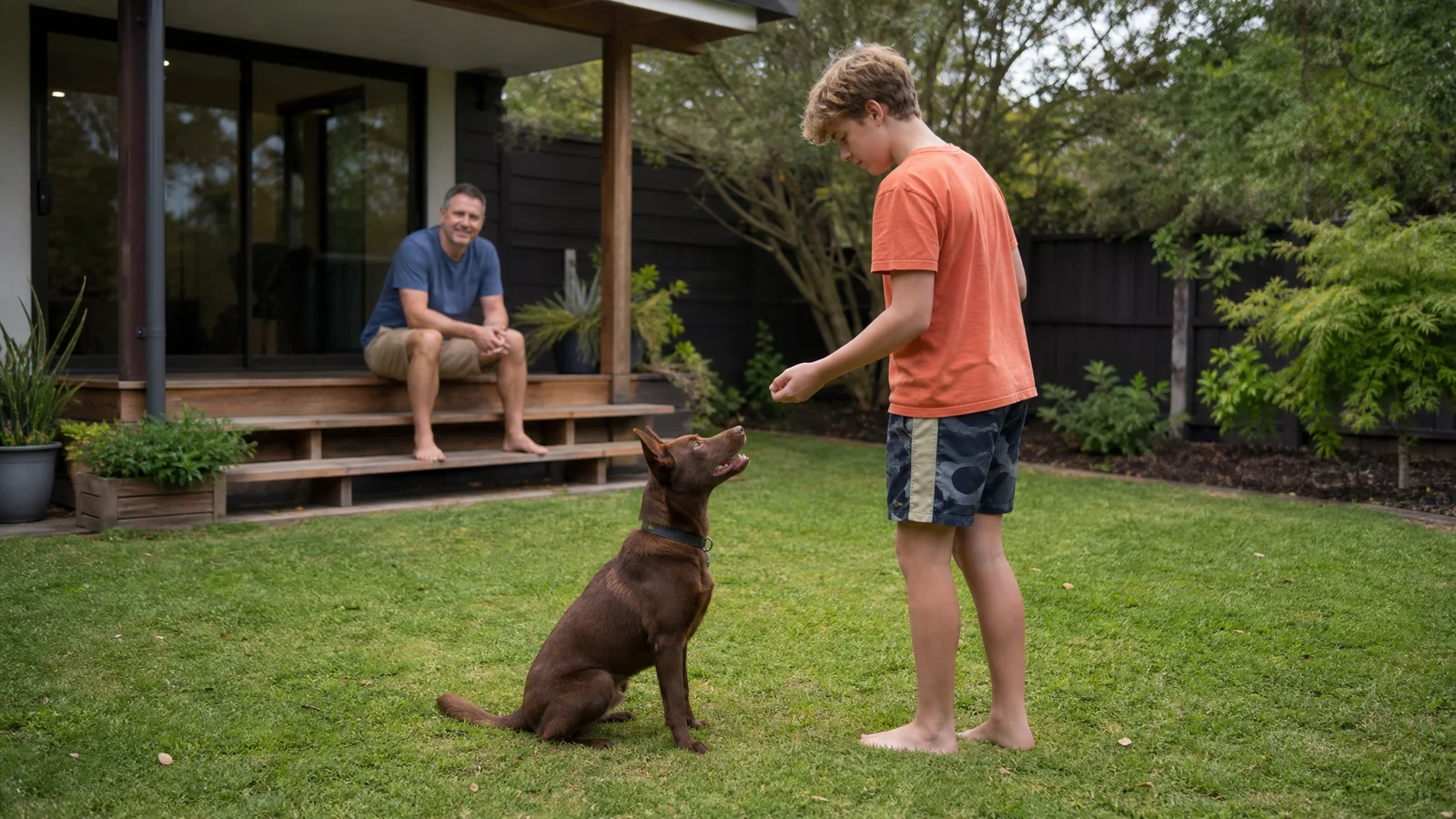 Training basicsHelp! My Kelpie Only Listens to One Person