 Kelpie
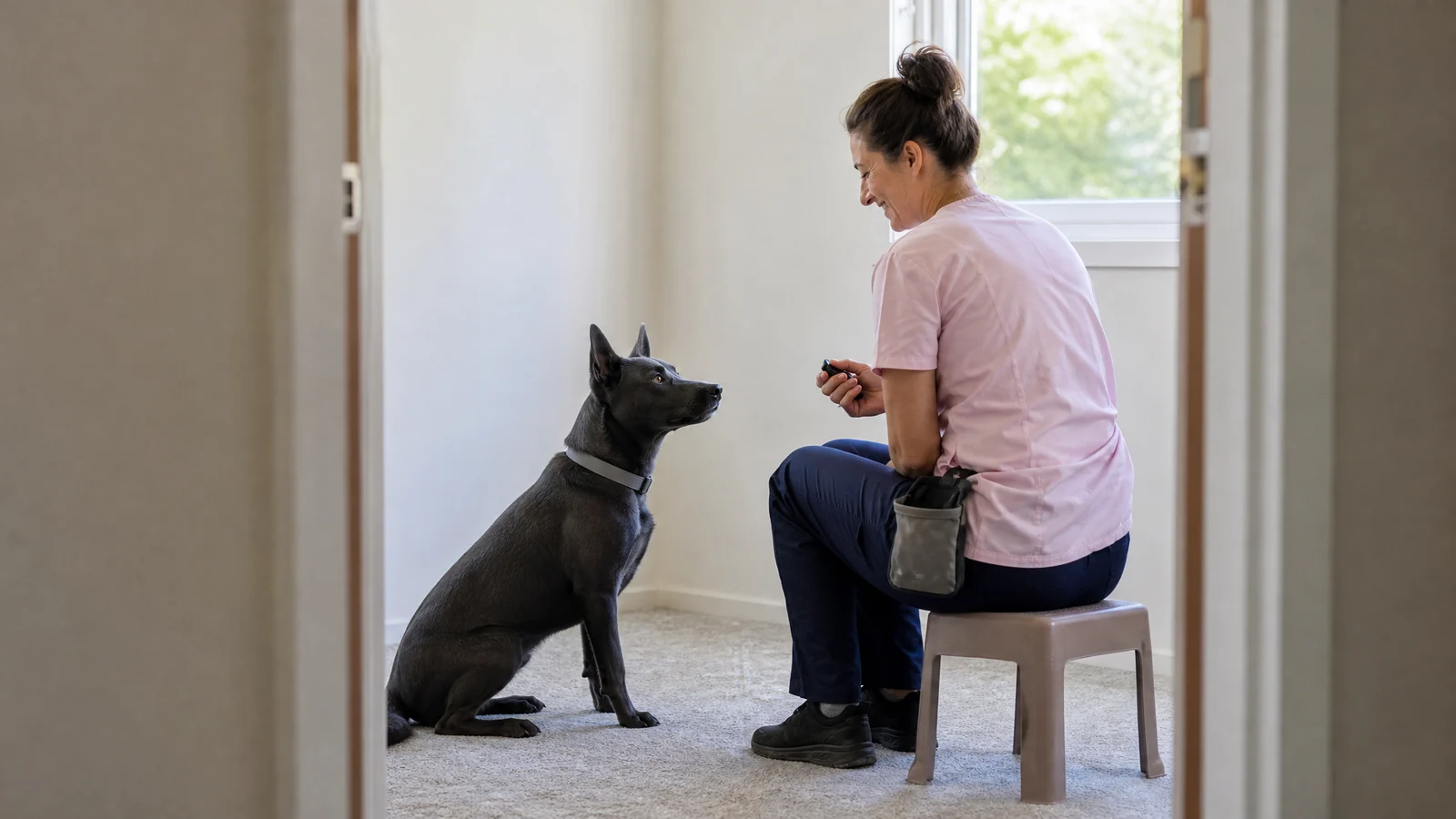
Marker training means using a click or a short word to mark the exact instant your dog does something right, then following that mark with a reward. With an Australian Kelpie, precision counts for a great deal, because the breed standard calls them extremely alert, eager and highly intelligent, and a dog who changes position in a heartbeat needs information that arrives just as fast.
Spoken praise tends to land on whatever your Kelpie did next, while a marker lands on the behavior itself. We have trained Kelpies for many years, and the difference is easy to see: a dog who gets clear answers works happily, while one left guessing starts inventing jobs of their own.
In this article, we'll go through charging the marker, why timing outweighs treat size, shaping sit, down and hand targeting, and the release cue and short sessions that keep a fast dog from spinning up.
Marker Training Gives an Australian Kelpie Instant Feedback
Reward-based trainers separate the work into jobs. A cue asks for the behavior, a clicker or verbal marker flags the moment it happens, and a treat, toy or other reinforcer pays for it. Splitting the work this way lets the flag be instant while the payment arrives a moment later, so your dog never has to puzzle over which moment in those final seconds earned their reward.
The reason this suits a Kelpie shows up the first time you watch one think. The standard describes a lithe, active dog who can turn suddenly at speed, and that quickness appears in training as a head tilt, a weight shift or a glance at your pocket, all finished before you have drawn breath. A click can catch the instant the rear meets the floor, whereas a sentence of praise tends to land once the dog has already bounced back to standing.
Temperament matters as well. The breed is described as mild and tractable, with almost inexhaustible energy and marked devotion to duty, so a Kelpie wants work and also wants to know they are doing it correctly. A marker answers that question again and again, quietly, and it points all that drive at a clear task instead of leaving the dog to design one.
Charge the Marker Before Marker Training Begins
Charging the marker means teaching your Kelpie that the sound always predicts food, before it is asked to mean anything else. The usual method is to pair the marker with food in a calm, quiet place: click, then give a treat within 3 seconds, repeated several times. Choose a room with little going on, since a Kelpie will happily track the window, the cat or a drifting shadow instead of you.
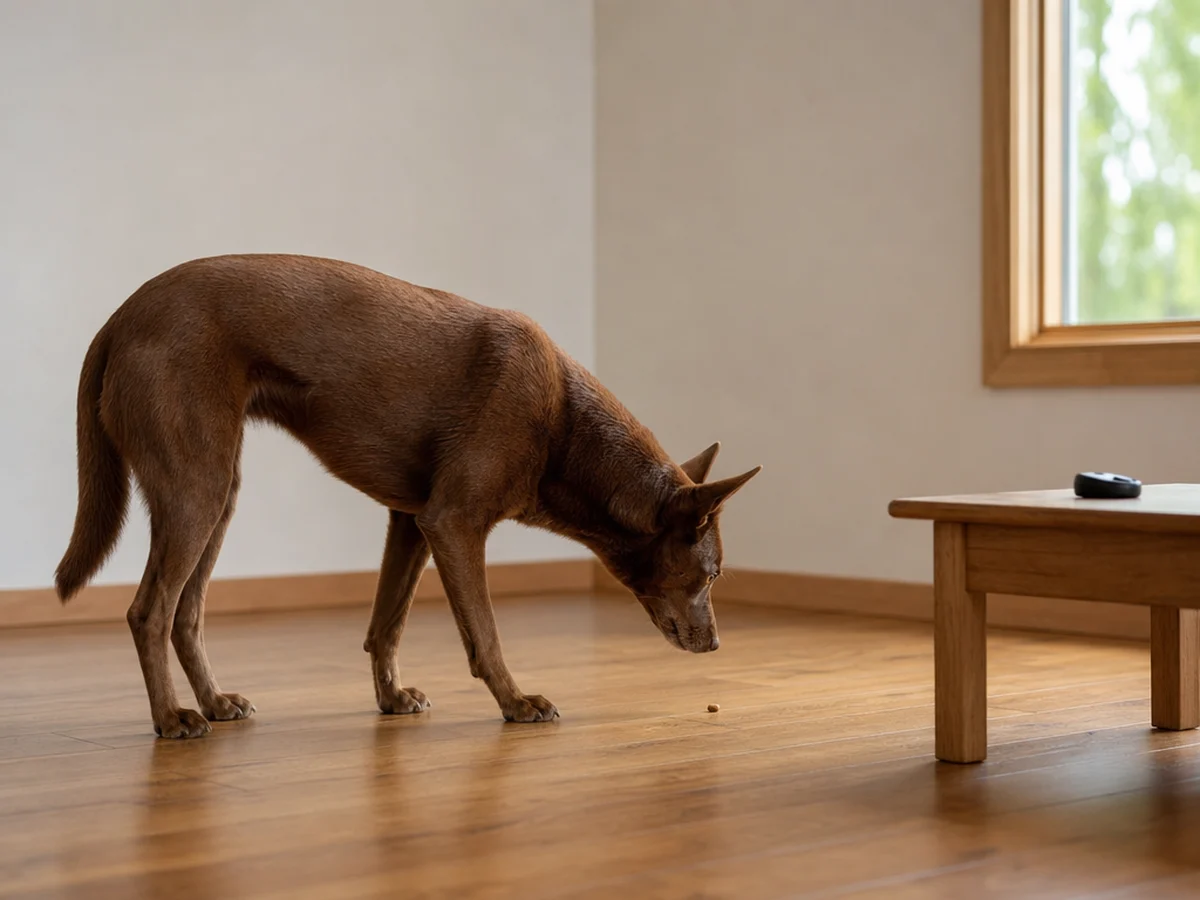
- Gather small, soft treats and stand in a quiet room with your dog close by, asking nothing of them yet.
- Click once, then deliver a treat straight to the mouth, well inside 3 seconds.
- Repeat several times, varying the pauses between clicks, so the sound predicts food and not a particular pose or rhythm.
- Watch for the sign it has landed: your dog swings their head toward you or your treat hand the instant they hear the click.
- Stop while they are still keen, then repeat in other quiet rooms over later sessions before asking for any behavior.
If you prefer a word to a clicker, choose something short and crisp such as yes and charge it the same way. A clicker gives one sharp, unvarying tone that a busy dog picks out easily, while a word is always with you. Either way, keep it for marking only, because a marker used loosely in casual chat soon stops meaning anything.
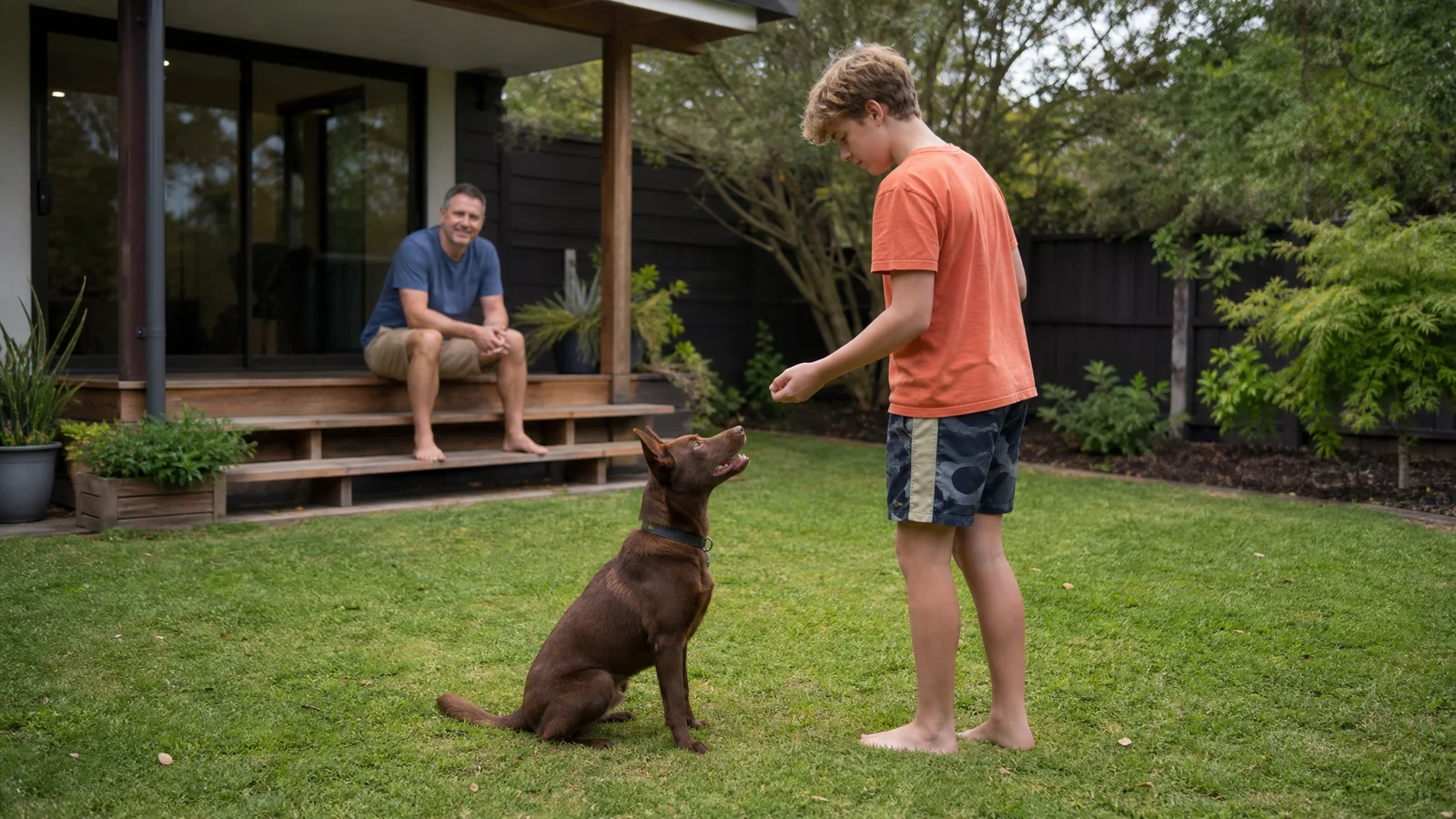
Kelpies often bond closely to one person and take their time with others, so let the person who will do most of the training charge the marker first. Everyone else in the household can join once the sound clearly means food.
Timing Beats Treat Size in Marker Training
The mark carries the information and the treat is simply the payment, so for a fast dog the moment you mark counts far more than the size of what follows. A tiny treat after a well-timed click teaches more than a generous one after a late click, because by then a Kelpie has already moved on to the next idea. Small treats also keep the pace brisk, so the dog stays sharp instead of stopping to chew.
Aim to click as a behavior completes: the rear touching the floor, the elbows reaching the ground, the nose meeting your palm. If you realize you were late, resist clicking anyway to be kind. Reset and mark the next accurate attempt, because this breed spots patterns quickly and will learn whatever your timing actually shows.
Treat the click as a promise you always keep. Every click is followed by a treat, even the accidental ones, and the treat is delivered close to where you want the dog so they are not pulled out of position to collect it.
Working-dog people describe the Kelpie as an individual who likes to do their own thing, and a reliable promise is exactly what earns cooperation from a dog like that. The same instant-payment logic helps when you potty train a Kelpie puppy, where reward in the right spot does the teaching.
Shape Sit, Down and Hand Targeting With Marker Training
Shaping means marking tiny steps toward a finished behavior and raising what you ask for gradually. Capturing and luring are reward-based tools too, but shaping suits a thinking Kelpie, who is happiest when working out what pays. Because the breed leans toward independence rather than push-button obedience, letting the dog discover the answer and rewarding each good guess fits far better than steering them through a routine.
Sit
Sit is a simple place to begin because dogs often offer it while waiting for a treat. Stand with treats and wait, and the moment the rear touches the floor, click and feed. Toss the next treat a step away so the dog resets, then wait again. Soon they will park in front of you hoping to cause a click, and only then do you add a cue word. A reliable sit is also the polite alternative to jumping, which our guide to keeping four paws on the floor builds on.
Down
For down, start from a sit and hold a treat low between the front paws. Click for any head dip at first, then for the shoulders lowering, then for the elbows reaching the ground, asking for a little more each time. If your Kelpie pops up, slow your hand and keep the treat lower, then mark the smaller effort again. A dependable down becomes the base for settling, including in the crate, as covered in crate training an Australian Kelpie.
Hand Targeting
Hand targeting means teaching the dog to touch their nose to your flat palm, and this breed enjoys it because it gives a quick mind something precise to do. Present your palm a short distance from the nose, click the instant they touch it, and feed from the other hand.
Then move the palm farther away, higher or to the side so the dog travels to reach it. Later the target can guide them through doorways, onto a mat or away from distractions without any physical handling, which is handy for a dog who is slow to warm to strangers and prefers to keep their own space.
Short Sessions Keep an Australian Kelpie Sharp
A Kelpie's stamina can mislead owners into long sessions. The standard speaks of almost inexhaustible energy, but physical endurance and a calm, thinking brain are different things, and a dog who winds up halfway through starts chasing the click instead of listening for it. You see barking, lunging at the treat hand and behaviors thrown at you in a blur, and none of it is learning.
End each session after a handful of quick rounds, while the dog is still keen and accurate, and the next one begins from a better place. Keep the rate of reward high so frustration never has time to build, and keep the treats small and valuable. Several brief sessions spread through the day beat a single long one, and finishing on an easy success leaves the dog hopeful about the next round.
If you see tension, fast movement or fixed staring, pause, ask for a simple known behavior, reward it and finish. Watch for stress as well: if your dog licks their lips, purses their mouth or yawns, go back a step and make the task easier before you build again. Keep up regular vet visits, and mention it if a normally keen dog turns flat or reluctant in training, since discomfort can look like a training problem.
An Australian Kelpie Needs a Clear Release
Without a release, a marked dog cannot tell whether they are still meant to hold the position. Because the click means a reward has been earned, dogs often bounce up the moment they hear it, and before long you have a frantic loop of sit, click, bounce and repeat, with the dog firing off behaviors at speed and no real thinking left in any of them.
A separate release word fixes this by telling the dog the work is finished and they may move. The breed's devotion to duty helps here, since a dog who takes the job seriously likes to know exactly when it begins and ends. Pick a word you do not use in conversation, such as free. Ask for a sit, mark and feed while they stay, then say the release in a calm voice and toss a treat away so they move.
Over time, wait a little longer before releasing, and let the dog settle between rounds instead of restarting at once. If your dog barks at you to keep the game going, look away or turn away, and the instant the barking stops, ask for a sit and then carry on. That small pause teaches that quiet restarts the game and noise does not.
Marker Training Is Working When Offers Increase
Progress with a marker rarely arrives as one dramatic moment. It builds as your Kelpie channels their alert, eager drive into offered behaviors and becomes calmer between rounds. Watch for these signs:
- Your dog responds faster to the click, turning toward you and your treat hand within a heartbeat.
- They offer behaviors without being asked, such as sitting, lying down, targeting your hand or checking in with you in the middle of a distraction.
- Between rounds they reset calmly, waiting for the next cue instead of lunging or barking.
- They hold position until released and move off happily when you give the release word.
When Marker Training Needs Outside Help
Sometimes the method stalls despite clean timing. Ask a reward-based trainer to watch a session when you see any of these patterns. Because Kelpies can be slow to accept strangers, choose a starting distance where your dog stays comfortable with the trainer. Get help when:
- Your dog becomes frustrated, with repeated barking, mouthing or snapping that does not ease when you shorten the work and lower the difficulty.
- They fixate on the clicker, the treat pouch or your hands and cannot settle even when sessions are brief and calm.
- You see no progress over many sessions despite clean timing, a charged marker and a clear release.
- They show lasting fear, extreme shyness or signs of discomfort during handling or training.
The marker works so well with a Kelpie because it gives a quick, devoted and tireless mind exactly what the breed was built to want: clear information, a job to do and a reason to stay with you.
Keep sessions brief, keep your timing honest and give every round a clear finish, so the energy goes into learning instead of into inventing games of their own. Add regular vet visits to rule out discomfort, and you will have a dog who offers good behavior because they understand how it pays.
 Training basicsImpulse Control Games: Teaching Your Kelpie to Wait Before It Works
 Training basicsHelp! My Kelpie Only Listens to One Person
 BehaviorAustralian Kelpies Herding Other Dogs at the Park: Fair Play Rules