 Kelpie
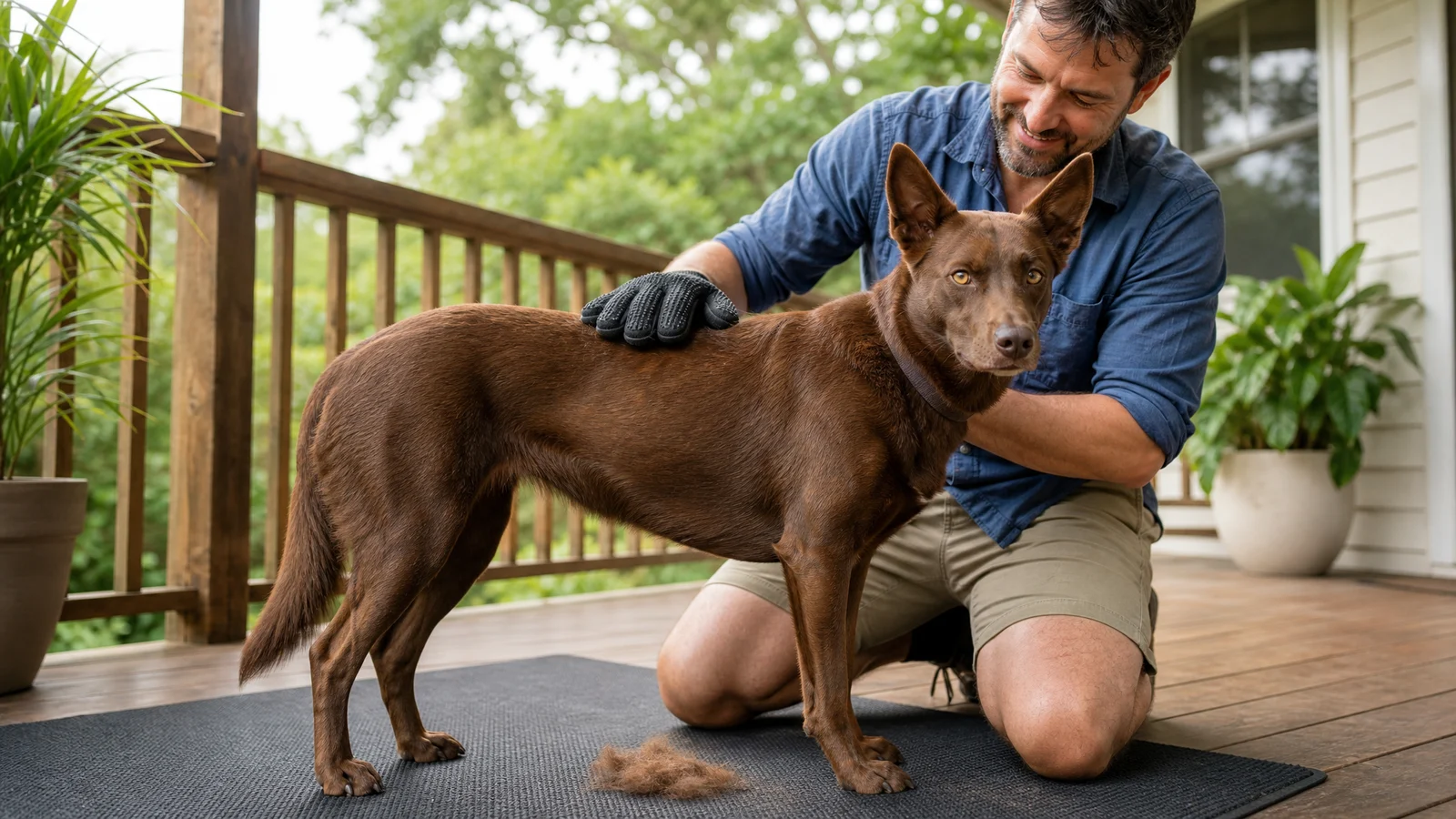
The brush comes out and your Kelpie goes stiff, or spins away to the far side of the room. Meanwhile there is hair on the couch, the car seat and your dark pants anyway. It looks like a dog who dislikes grooming living in a house that badly needs it.
What is going on underneath is rarely about the coat. A Kelpie is a lithe, hard-muscled, highly alert working dog, and a brush that arrives as a surprise can prompt them to move away.
We have spent many years working on Kelpie behavior and training, and the fix is the same one we use for everything else: teach the handling, pay for it, and the dog starts asking for it. Read on for whether Kelpies shed, what the accepted colors mean for coat checks, how the working body handles, a step-by-step brushing lesson, and the close work on paws, ears and nails.
Grooming Fits Into Household Life
The easiest place to start is not the brush but the calendar. A Kelpie who has just finished a long run or a hard game is far more willing to stand for ten minutes of handling than one who is still wound up and looking for the next job. The standard describes almost inexhaustible energy, so schedule grooming for the moments when that energy has been spent and the dog is already drifting toward a nap.
Pick one spot and keep it the same. A mat with good grip, a corner of the kitchen or a spot beside the couch all work, as long as the footing is steady and the dog can see you coming. A predictable grooming spot can become a cue to settle when you build a steady reward history there. A routine also makes the hair manageable, because a little brushing often beats a big, stressful session now and then.
A few small setup choices make daily life easier. They also make the brush predictable before it touches the coat. Start with these choices:
- Keep the brush, a pouch of tiny treats and a towel together in one basket so the routine starts in seconds.
- Brush outdoors or on a washable surface when you can, so loose hair never reaches the carpet.
- Park a lint roller by the door and a washable throw on the dog's favorite seat.
- Hold sessions in the evening when the household is calm, not in the rush before work.
Do Australian Kelpies Shed in the House?
Yes, you should expect some hair. A Kelpie is a dog with a coat, and a coat sheds, so some loose hair will turn up on floors, furniture and clothes. How much depends on the individual dog, the season and the home, and we would rather tell you that plainly than promise a number that might not match your dog. The brush is your best measuring tool, because it shows you what your own dog is losing.
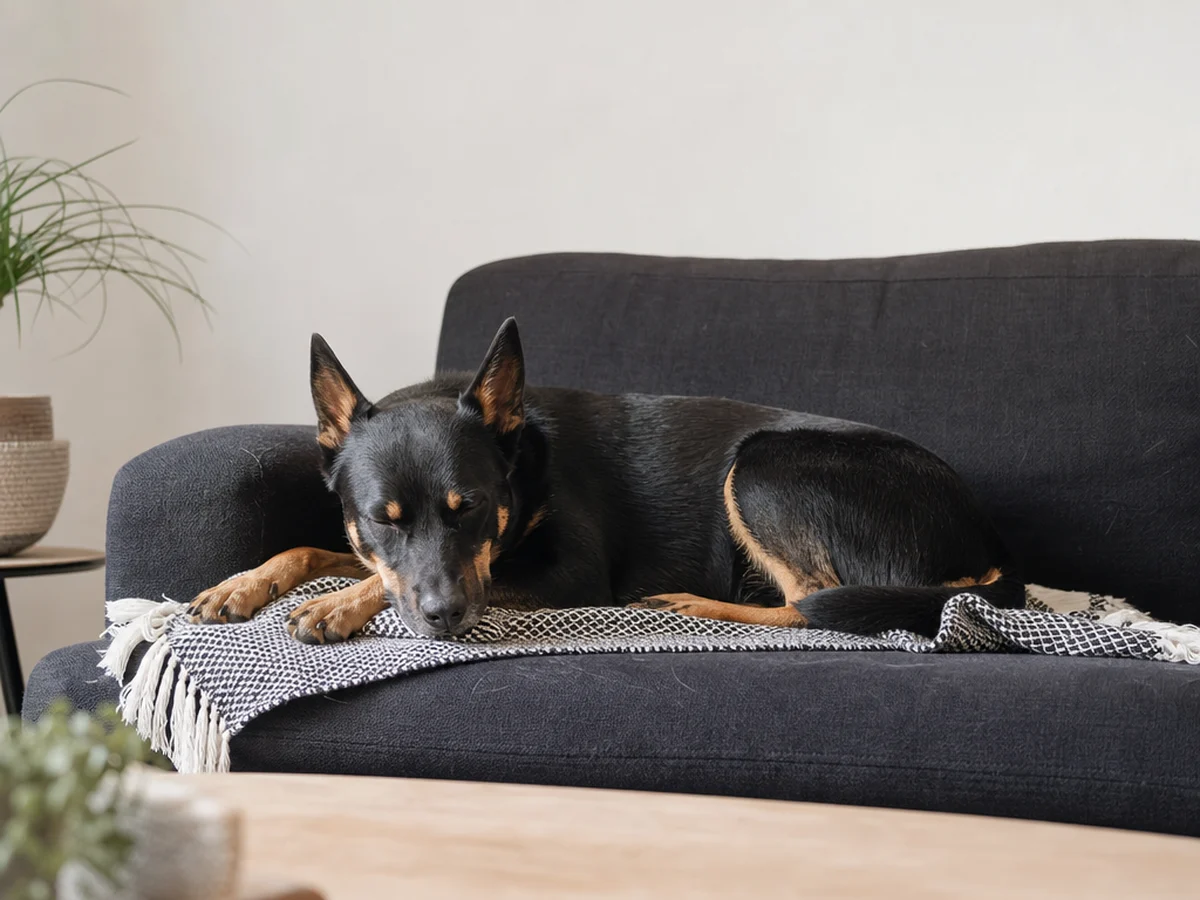
What Normal Looks Like
Shedding varies from dog to dog, so use the brush to learn your own Kelpie's baseline. Notice how much hair comes out each week without assuming a fixed seasonal pattern. A routine you repeat for a few weeks gives you a baseline, and a baseline is what lets you spot something unusual early.
When to Ask Your Vet
If a coat change appears alongside a drop in the eager, ready-to-work behavior described in the standard, mention both at your next appointment. Bald patches or constant scratching also belong in that conversation.
Regular vet visits are the right place to raise coat and skin questions, and they give you a professional's eyes on the dog's whole condition. Hair around the house is a nuisance, but a change in the pattern is information, and a calm dog who lets you handle them makes both easier.
Accepted Coat Colors and Grooming Checks for the Australian Kelpie
When you run your hands through the coat, you are looking at one of several colors. The breed standard accepts black, black and tan, red, red and tan, fawn, chocolate, and smoke blue. A Kelpie in any of those colors is groomed the same way, but each one shows you something different when you check the dog over.
Dark coats such as black and smoke blue hide burrs, seeds and small debris, so use your fingertips as well as your eyes. Lighter coats such as fawn and red show mud and stains quickly, which makes them easy to wipe down but obvious on the couch. Check the legs and face closely after time in brush or rough ground, whatever color the coat is.
Working lines add a note. The author for the Working Kelpie Council says color has little or no relation to a dog's working ability, and that the only color guide for a working Kelpie is tan markings on a predominantly black, red, blue or fawn body. The show type is mainly solid black or red. If your Kelpie is a color the standard does not list, that does not change a thing about care. They are a Kelpie, and the same rewarded routine fits them just as well.
Handling a Hard, Muscular Australian Kelpie Body
Run your palm down a Kelpie's shoulder and you feel it at once: firm, dense muscle with almost no softness. The standard describes a lithe, active dog showing hard muscular condition and great suppleness of limb, built for untiring work. That body shapes how you handle it, because a dog this fit tolerates firm, even strokes well but can also twist out of your grip in an instant.
Reading the Body by Hand
Grooming is your weekly body check. The body is a little longer than it is tall, about 10 to 9 from breastbone to buttocks, so slide your hands along the long back, over the ribs, down each leg and across the chest. You are learning what normal feels like, so a warm spot, a lump or a tender area stands out right away. Tell your vet about anything that feels new, especially after a hard day of work.
Why They Spin Away
The standard says the dog must be able to turn suddenly at speed. That quickness is wonderful on a run and slippery on a grooming mat. Do not hold a Kelpie in place. Instead, reward standing still, so staying is the choice that pays. A Kelpie is alert, eager and highly intelligent, which is why the temperament and trainability picture matters here. Calm hands and a steady voice go a long way with this breed.
How Do You Teach Brushing as a Handling Lesson?
Treat the brush as a skill your dog learns, not a chore you do to them. Kelpies are eager and highly intelligent, which means they pick up a pattern quickly when it pays. The goal is a dog who offers to stand because the brush predicts something good. Use the same approach to build any handling, and you can find more on that in our complete Kelpie training guide.
Go slowly. Rushing is the usual way this lesson fails, because moving too fast can overwhelm the dog or stop them linking touch with the treat. The rule from touch only for seconds is simple: touch for just a few seconds while the dog eats, then stop when the treats are gone.
- Show the brush, say your marker word, and follow with a treat. Repeat this until the dog looks at the brush with bright eyes.
- Rest the brush on the shoulder for a moment while the dog eats, then lift it away as the treat finishes.
- Add one slow stroke along the shoulder with a treat, then stop.
- Build to a few strokes, moving over the back, flank and chest one area at a time.
- Pause often, and let the dog choose to stay. If they step away, end the session calmly and come back later to an easier step.
- Introduce other tools the same way, one at a time, using reward-based practice to get the dog used to equipment and the setting, as the RSPCA advises.
The same gradual approach prepares your dog for professional groomers, and starting those visits once the dog is fully vaccinated gives the lessons a head start. Keep treats tiny so the dog stays eager and focused.
This is general information, not medical advice. Check with your veterinarian before any medicine or diet change.
Paws, Ears and Nails Up Close in Grooming
Feet, ears and nails call for especially patient reward work because many dogs find close handling of these areas difficult. Each area follows the same pattern as the brushing lesson: touch briefly, reward, stop while the dog is still comfortable.
Feet and Toes
A working dog's feet take a lot of wear, so check between the toes and over the pads after rough ground. Start by running a hand down each leg, then press each toe gently and follow every touch with a treat and warm praise. Once you have spent a week or two on daily foot massage, most dogs accept a nail trim far more comfortably.
Ears
Lift the ear flap, look, give a treat, and let go. Then lift it a little longer. Ears are easy to forget until they bother the dog, so a quick, rewarded glance during every brushing session makes it routine. Your vet can check inside the ears during regular visits and show you what a healthy ear looks like.
Nails
Let your dog sniff the clippers or grinder and reward them for it. Next, touch a tool to a nail and treat, then trim a tiny bit only when the dog is relaxed. If the dog tenses, go back one step. A calm approach keeps each later attempt easier, while a rushed one makes the next try harder.
Today's Single Grooming Step for Your Australian Kelpie
Everything here comes down to one idea. Your Kelpie is an alert, eager, highly intelligent and hard-muscled working dog, so make every brush session clear and rewarding from the start. Hair will keep turning up around the house, and the best way to manage the shedding is to teach your dog that standing calmly for the brush pays.
So today, pick up the brush and do one short, rewarded session. Choose a quiet moment after exercise, give a treat for the brush appearing, make a few slow strokes along the shoulder with a treat for each, and then stop while your Kelpie is still relaxed and wanting more. Leaving them eager is what makes tomorrow's session easier, and that single calm, rewarded minute is the start of a grooming routine they will actually enjoy.
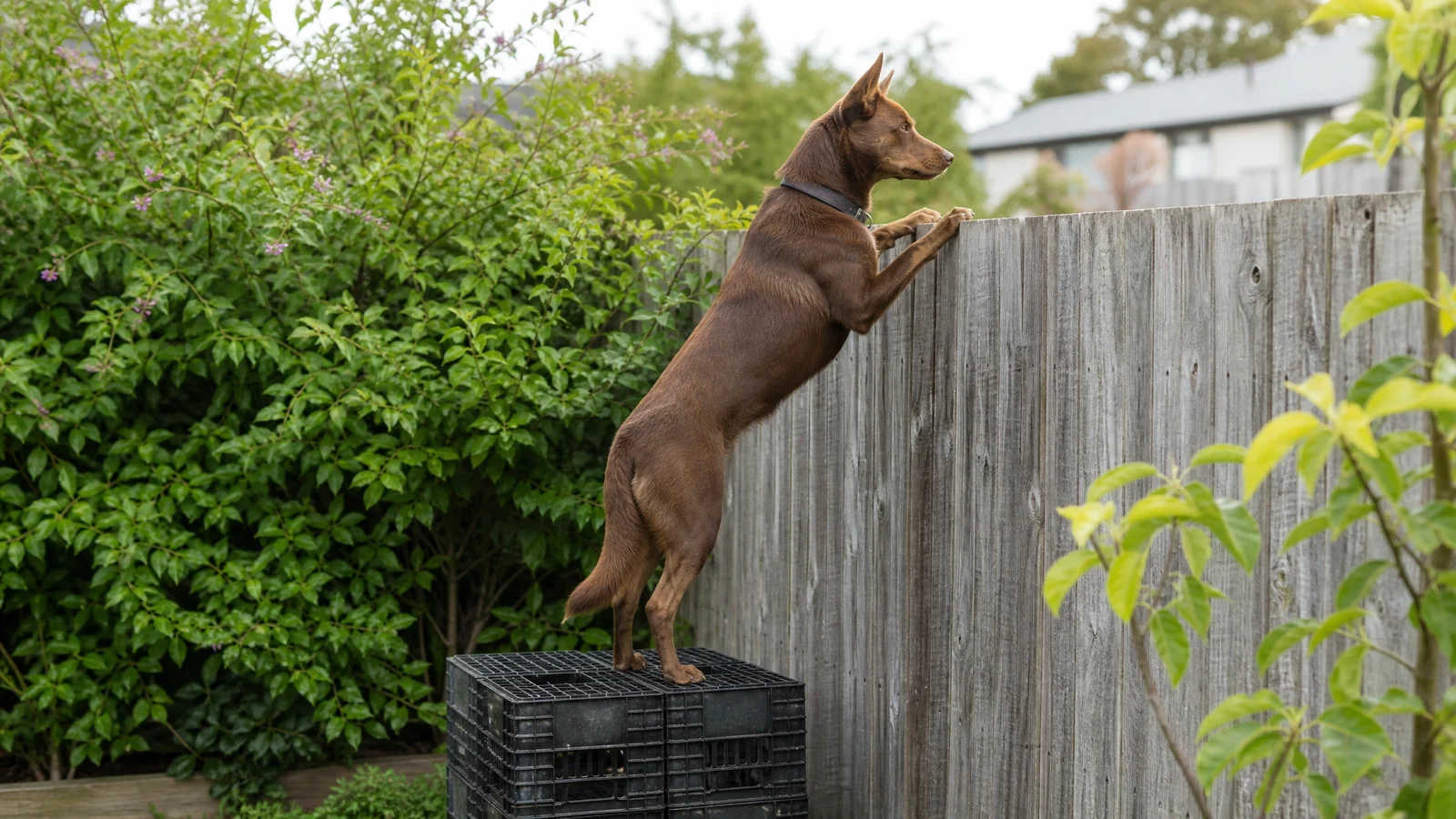 BehaviorWhy Your Kelpie Roams and How to Teach Them to Stay Home
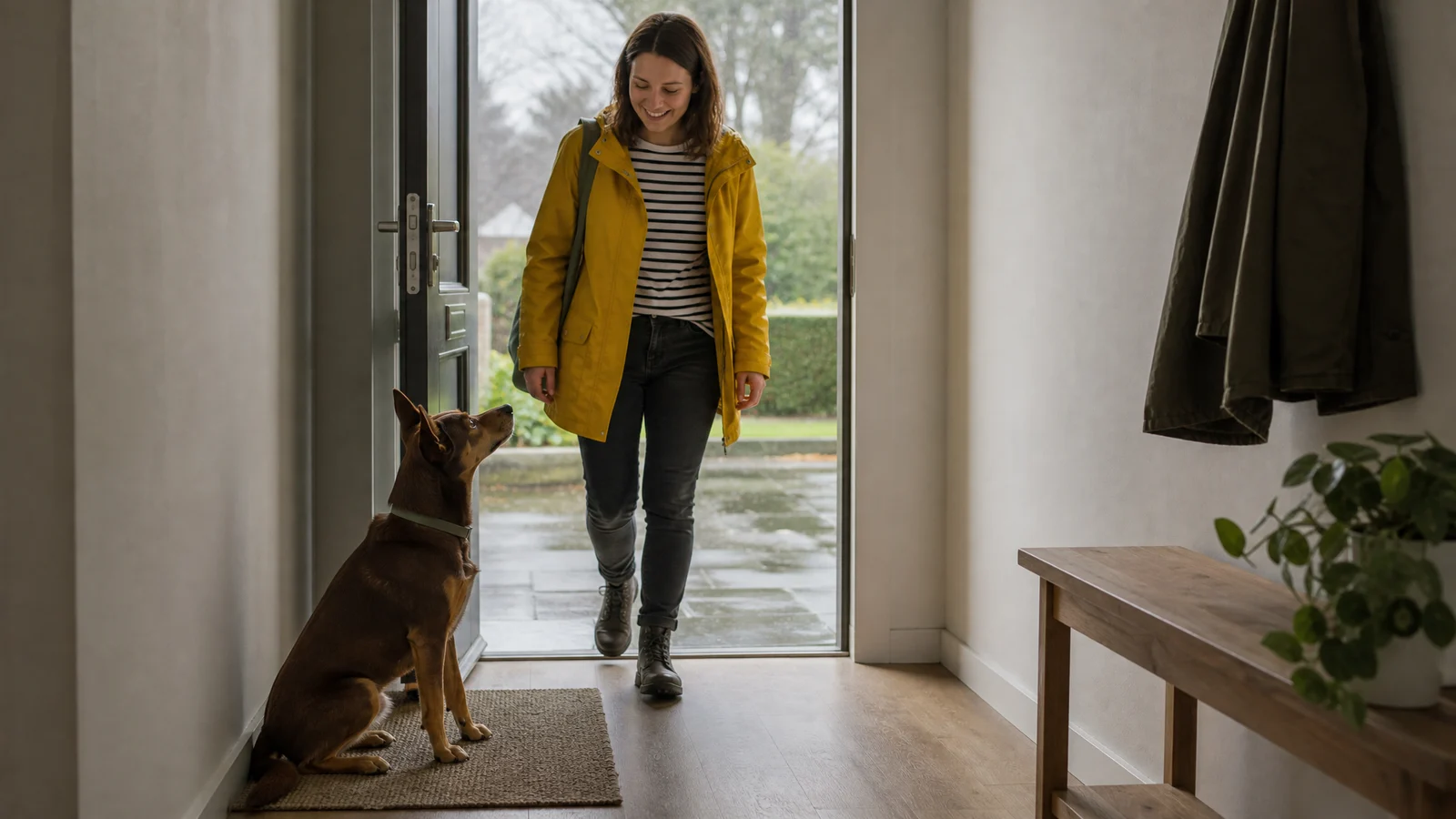 BehaviorStop an Australian Kelpie Jumping on People
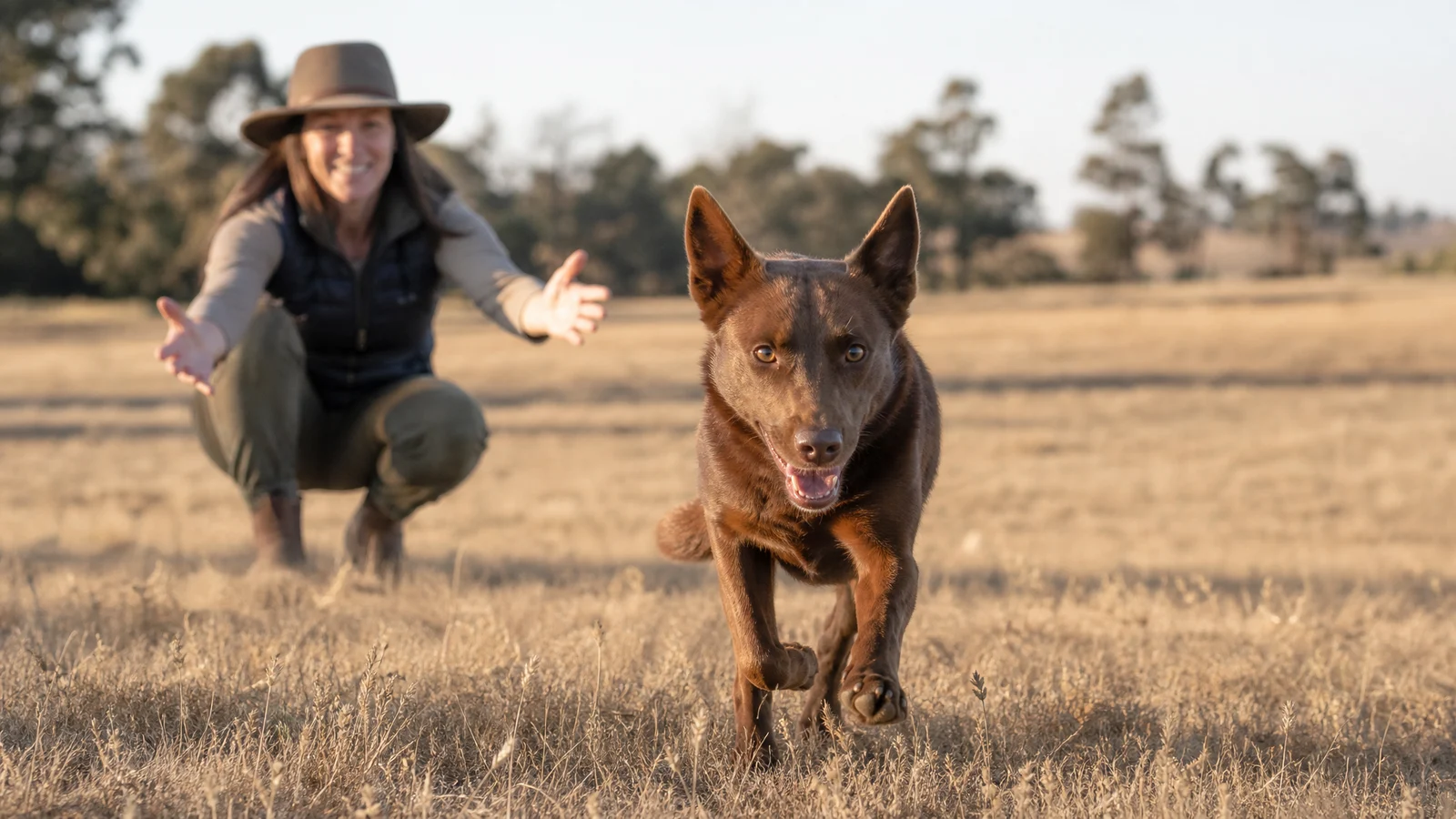 Training basicsReliable Recall for a Dog Bred to Work on Their Own