 Kelpie
A new weave set or a box of scent supplies can look like the answer to an Australian Kelpie who never seems finished. Equipment is the easy purchase. The harder choice is deciding which part of the dog needs work: the body that can cover ground, the mind that solves problems alone, or the partner who wants a shared assignment.
We start there because this breed was developed to gather livestock, make decisions at a distance, and keep going across wide country. A random activity may burn energy without satisfying that pattern. The right outlet gives movement a purpose and makes listening part of the work.
This guide covers dog sports and practical jobs from that first assessment through a household fit, foundation training, and a final check on whether the choice improves daily life. You will compare what the dog needs with what you can reliably provide.
Australian Kelpie Jobs Come First
The Australian Kelpie is not simply an energetic dog who benefits from any exhausting game. The breed's original work combined endurance, quick changes of direction, controlled pressure on livestock, and independent judgment. The working breed account describes Kelpies gathering livestock on operations large and small, while also entering herding trials, Obedience, and Agility. Those are clues to several distinct appetites, not a requirement to choose one sport.
Watch what your dog repeatedly chooses when nobody has arranged a lesson. A Kelpie who tracks movement, arcs around play, and cuts across another dog's path may want a controlled gathering pattern. One who searches every room with their nose may prefer detection-style games. A dog who stares at you waiting for the next instruction may thrive on precise teamwork. Notice which pattern persists across days. Repetition gives a better signal of what the dog seeks.
Then look at the recovery. A useful outlet leaves the dog able to drink, settle, and rejoin ordinary household life. If the activity produces a fitter dog who paces for the next round, it met the need for speed but missed either the thinking work or the practiced off switch. Compare the first hour after practice with the rest of the evening. Useful work should support recovery, not make the next demand arrive faster.
The first decision is therefore not agility versus nose work. It is movement, search, precision, or a blend.
Dog Sports Matched to Need
Each sport pays a different part of the Kelpie's working pattern. Agility asks for athletic movement and close communication. Nose work makes the dog responsible for locating odor while the handler learns to read the search. Obedience rewards accuracy and sustained attention. Herding trials preserve the stock-gathering context for owners with qualified instruction and appropriate access.
The comparison below is a starting filter. It does not rank the sports, because the best option is the one both members of the team can practice well and enjoy repeatedly. Use the rows to eliminate poor fits first. A short list built from real access and owner interest is more useful than a ranking of impressive activities.
| Outlet | Dog's main work | Owner must enjoy |
|---|---|---|
| Agility foundations | Movement, turning, cues | Coaching and careful progression |
| Nose work | Independent searching | Setting hides and observing quietly |
| Obedience | Precision and focus | Small details and steady practice |
| Herding trials | Gathering and stock sense | Travel, instruction, and stock welfare |
| Search games | Problem solving with a goal | Building varied searches |
When Movement Is the Priority
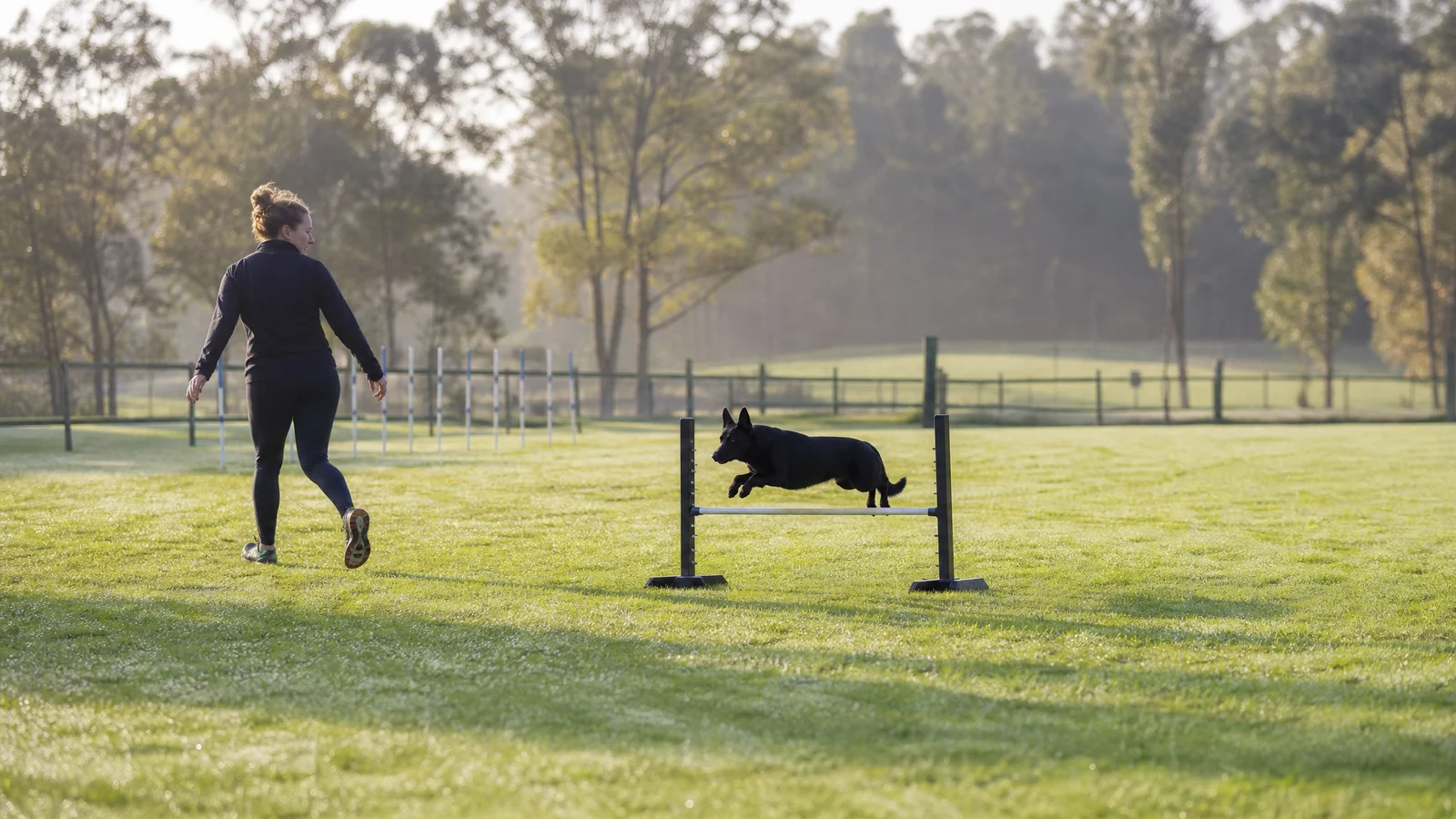
An athletic outlet suits a Kelpie who can think while excited. The breed standard calls for sudden turns at speed, but that ability is not permission to rush into obstacles. The agility guidance recommends positive instruction paced to the individual dog. Start with flatwork, body awareness, waiting, and following a handling line before height or speed enters the picture. Ask at regular veterinary visits whether fast turns and repeated impact fit the individual dog.
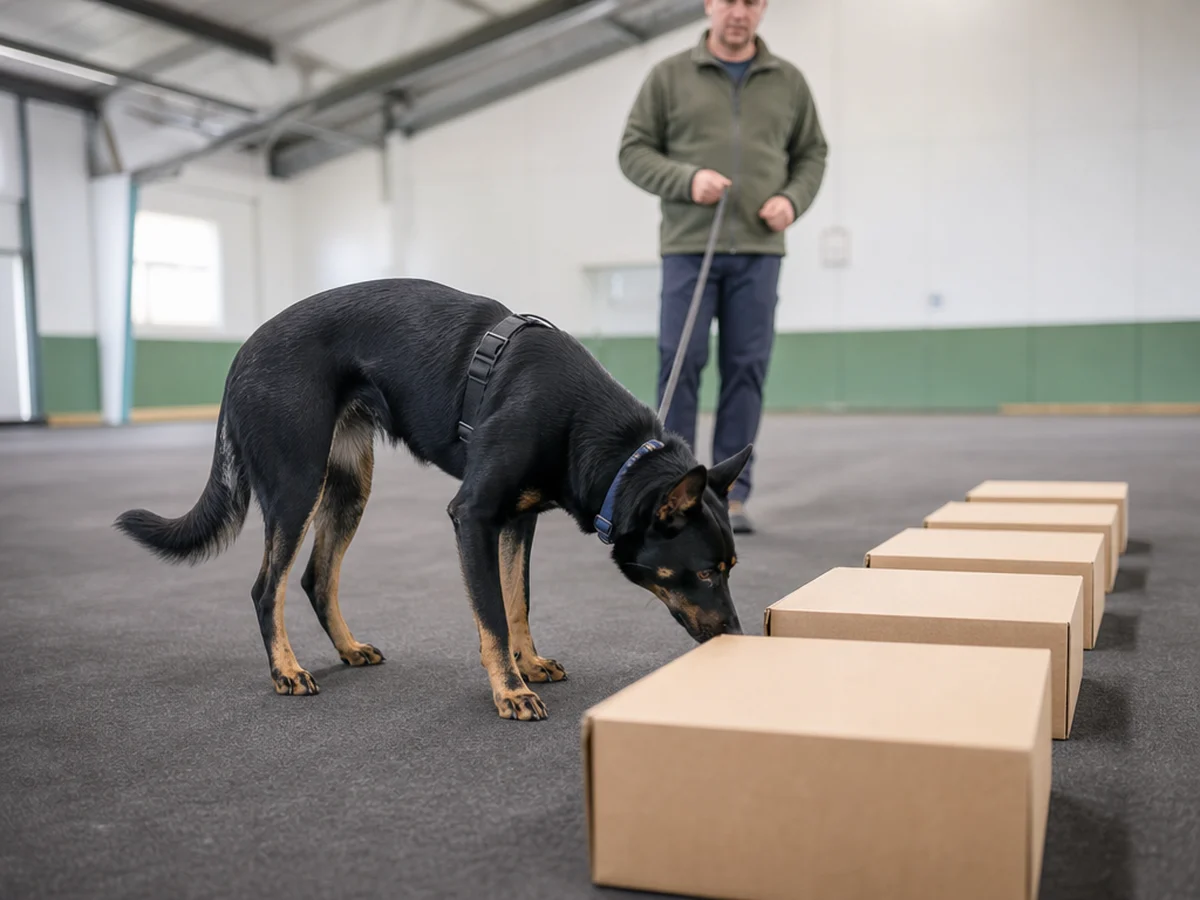
When searching changes the dog. Choose nose work when independent problem solving makes your dog calmer and more deliberate. Nose work basics begin with a favorite toy or food hidden among boxes, then expand to indoor and outdoor searches. That progression suits a Kelpie because the handler sets the job while the dog owns the solution. The search can grow through new rooms, outdoor areas, and different box arrangements without requiring a larger physical course.
Dog Sports for the Household
An ideal sport is useless if the nearest safe class is too far away, setup takes longer than you have, or practice disrupts everyone else. Make the second decision from the owner's side. Count the space, regular travel, coaching access, weather limits, and whether you honestly like repeating small skills. Include setup and travel in that calculation. A session that is available but rarely convenient will not become the reliable job this breed needs.
For an apartment household, scent searches and precision exercises can happen without a yard. A family with access to a safe field may add controlled running and long-line search patterns. Someone who enjoys a class community may prefer agility or obedience, while an owner who values quiet solo work may sustain nose work more consistently. It determines whether practice remains thoughtful after the novelty of new equipment has passed.
Use this shortlist before spending heavily:
- Choose an outlet you can practice in small pieces on ordinary weekdays, not only during occasional ideal weekends.
- Check whether your dog can stay under threshold around the people, dogs, noise, or movement at the practice site.
- Favor an instructor who builds skills with rewards and adapts difficulty to the individual team.
- Keep one lower-arousal option for weather, travel, recovery days, or times when fast work is unavailable.
Regular veterinary visits belong in the decision, especially before a fast, repetitive, or physically demanding sport. Ask your veterinarian about the work that suits your dog's current condition and stage of development. Revisit the choice as fitness, coordination, and recovery change rather than assuming the first outlet remains suitable forever.
Australian Kelpie Sport Foundations
The third decision is whether the dog has the foundation to benefit from the chosen outlet. Speed is not the foundation. A start cue, a release cue, voluntary check-ins, waiting briefly, and settling between turns are. These skills keep a keen dog connected when the environment becomes more exciting than your food or toy. Teach each skill away from equipment first, then carry it into the sport setting as a familiar part of the routine.
Our preferred sequence is quiet place, clear task, immediate reward, and a release before attention frays. The reward-based position supports teaching the behavior you want and structuring the environment so the learner can succeed. For a Kelpie, that means making the next chance to move or search part of the payment. A brief wait can earn another search, and a voluntary check-in can earn release to the next movement task.
Advance One Variable at a Time
Add distance, duration, distraction, or speed separately. If a dog can follow a handling line slowly in the yard, add a new place before demanding faster work. If a search is easy indoors, change the room or the height of a hide, not every feature at once. This preserves the dog's confidence and tells you exactly which change caused a miss. Return to the earlier version after an error, regain a clean repetition, and decide whether the added variable was too large.
Use the same foundation when the dog starts choosing a private project instead of the assignment. Connect it to the Kelpie exercise guide when physical output is swallowing the thinking work. The adjustment may be a clearer start cue, a stronger release reward, or a shorter turn.
Real Jobs and Practical Limits
Organized sport is only one kind of assignment. The Working Kelpie Council records Kelpies managing sheep, cattle, goats, and even reindeer, and notes police dog titles, sled work, and search and rescue roles in Sweden. Its working history shows the breed's range, but these examples are not weekend projects an owner can imitate without the right setting and expertise. They show breadth of capability, not that every Kelpie needs every historical role recreated.
Professional Roles Need Professional Systems
Stock work requires suitable livestock, welfare-minded instruction, and a dog who can be assessed safely. Search and rescue requires formal team training and operational standards. Those paths may fit some households, while a companion Kelpie can still have real responsibility without pretending a casual game is professional work. Honest boundaries protect livestock, the public, the dog, and the trained teams who perform operational roles.
Useful home jobs include finding named toys, carrying a safe item to a set place, locating a family member in a search game, or completing a sequence before being released to run. The point is not novelty. The dog receives a clear problem, stays in contact with you, and knows when the assignment is finished. Add a start cue and a release so carrying, finding, or sorting does not spill into constant self-appointed work around the home.
If the real role demands access or commitment you cannot provide, choose the sport that preserves its essential pattern. Nose work can satisfy searching. Obedience can satisfy precision. Agility foundations can satisfy coordinated movement. That is an honest match, not a lesser one. Preserve the functional pattern that attracted the dog, then scale the setting and responsibility to what the household can support safely and repeatedly.
Dog Sports at Home
The final decision comes after you have practiced for a while: keep, adjust, or replace the outlet. Judge it by more than enthusiasm at the training bag. Look for voluntary check-ins, an easier transition from action to rest, and a dog who can hear familiar cues while excited. Record those outcomes before changing the plan, since enthusiasm alone can hide a rising recovery problem.
If arousal rises across the week, shorten the fast work and add deliberate waiting, searching, or settling. If the dog loses interest, make the task clearer, improve the reward, or test a different category rather than adding pressure. If the owner dreads every setup, the plan will not last, however suitable it looks on paper. A simpler outlet practiced well is the better decision than an idealized sport that disappears from the week.
Choose one outlet now and name one daily-life change it should support, such as calmer recovery after exercise or more check-ins around movement. Practice that choice consistently, then judge the dog you live with, not the sport's reputation. A Kelpie needs a job with purpose, and the owner needs a job they can keep giving. That shared sustainability is the final selection criterion, because it turns an interesting trial into a dependable part of life.
 Training basicsHow to Train an Australian Kelpie Who Does Their Own Thing
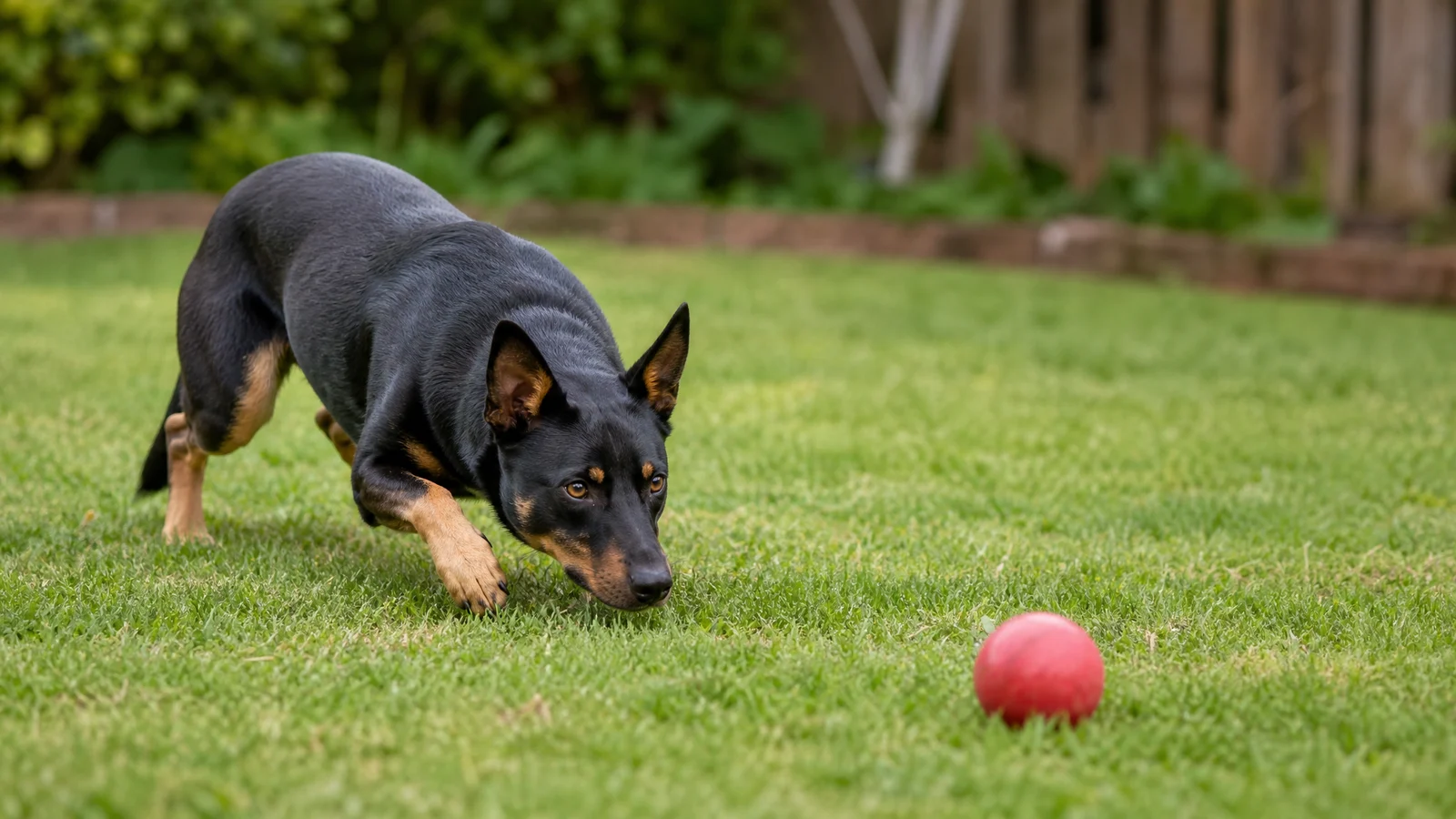 BehaviorWhy Does My Australian Kelpie Nip, Stalk and Bark?
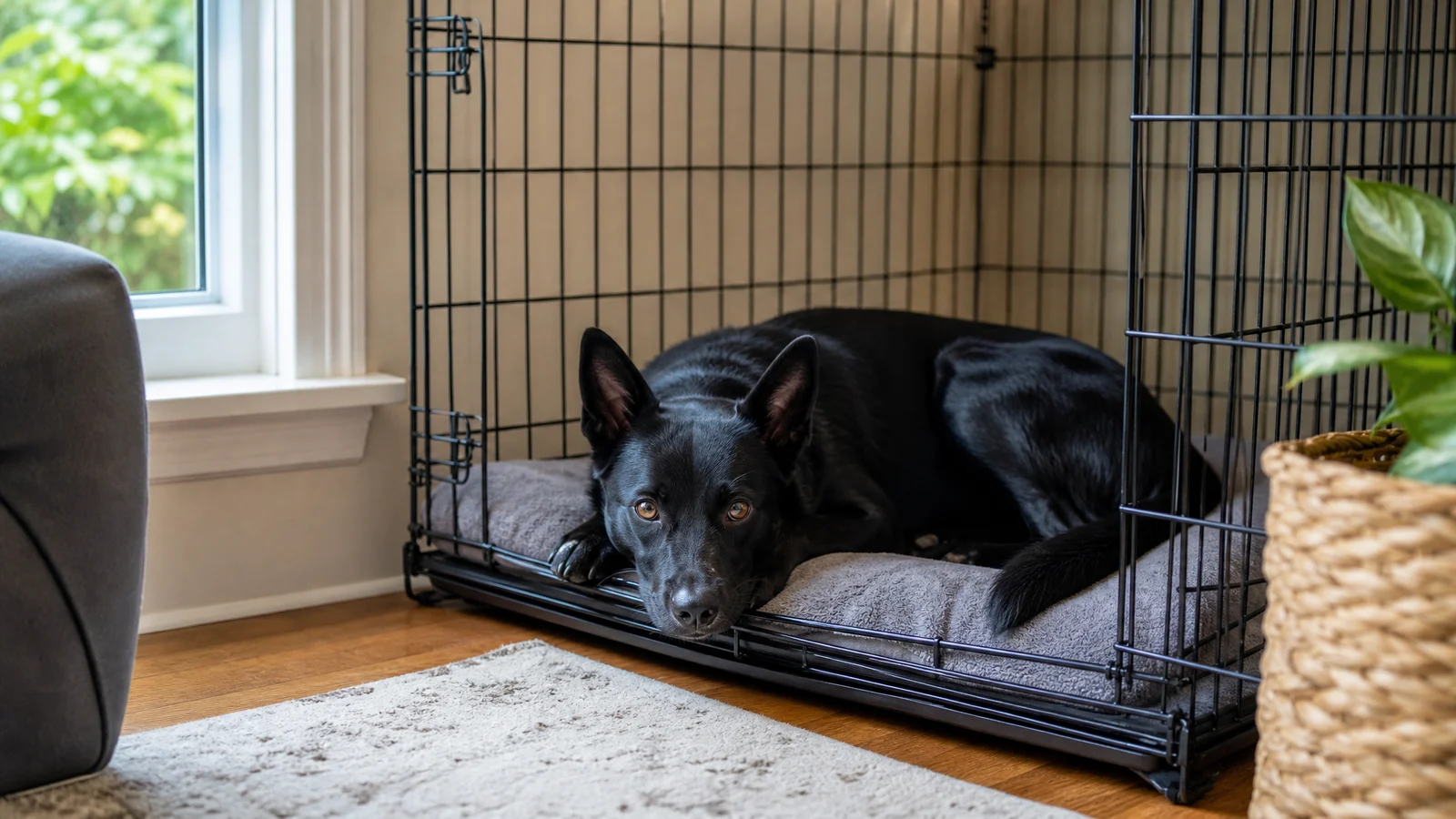 Training basicsCrate Training an Australian Kelpie and Preventing Separation Anxiety